On this page
Repair or replace is the question every homeowner asks, and in New Orleans the honest answer depends on three things that do not apply everywhere: how old the roof already is in a climate that ages roofs fast, whether a named storm caused the damage, and what your insurance policy will actually pay.
Here is how to work through it.
Table of Contents
-
- Key Takeaways
- Key Factors for Your Decision
- a. Roof Age
- b. Damage Extent
- c. Material Type
- d. Future Plans
- e. Local Climate
- When to Repair
- Isolated Damage
- Budget Constraints
- Young Roof
- When to Replace
- Widespread Wear
- Structural Concerns
- System Upgrade
- Let Our Expert Help You Decide For a Better Outcome
Repairs work great for instances where the roof appears to be facing a localized issue, such as a small leak or a few missing shingles, whereas replacement is suitable for roofs that are older or newer with extensive damage. Various considerations are weighed against the appropriate decision; they may include cost, duration of the roof, and worth of the property.
Understanding these distinctions can help you make an informed decision. Let us see what makes sense for you. For further assistance, contact us at TurnKey Roofer so we can evaluate whether you need replacement or repair.
Key Takeaways
- Consider the age of your roof to see if repairs or replacement will be more economical. If you have an older roof that is reaching the end of its lifespan, a complete replacement is usually most advantageous.
- Evaluate the extent of roof damage. Isolated issues like small leaks or missing shingles can typically be repaired, while widespread or structural damage may require replacement.
- Consider the roofing material. Certain materials, such as premium shingles or metal, can sometimes warrant repairs, whereas some materials with severe wear should be replaced entirely.
- Match your decision to your plans for the home. If you’re selling, a new roof can increase value. Long-term homeowners will discover repairs to be more cost-effective for prolonging the life of their roof.
- Take your local climate into account. Wet or storm-prone regions could compromise your roof at a faster rate, making replacement more feasible for sustained resilience.
- Address structural issues now. Sagging or water infiltration typically means it is time for a replacement to keep your home safe and sound.
The Age Question Is Different Here
Roofs in New Orleans do not reach the number on the packaging. Sustained humidity, a long hot season and annual storm exposure age materials faster than a manufacturer’s testing assumes.
That changes the repair-or-replace math in two ways.
Repairing an old roof buys less time than you expect. A patch on a roof that is already weathered here does not deliver the years it might elsewhere.
Insurance treats age harshly. Many Louisiana policies shift older roofs from Replacement Cost Value to Actual Cash Value, which means depreciation comes off the payout. On an older roof that can leave very little. Check your declarations page before you decide anything, because it may make replacement the better financial move even when repair is technically possible.
Key Factors for Your Decision
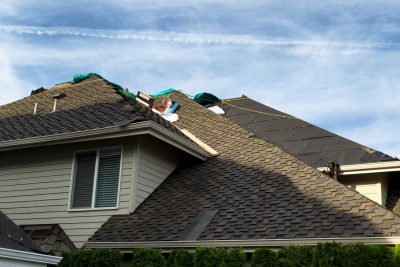
The factors listed below are essential for consideration when choosing between roof repair and roof replacement. In these factors lies the guarantee of having investments made along with your long-term advantages, budget, and the condition of your roof.
1. Roof Age
The age of a roof is important. Most materials, such as asphalt shingles, will last for 10–15 years. In contrast, metal or slate roofs will outlast them. If the roof is aging beyond its expected lifespan, it may make more sense to replace it than to continually make repairs, especially if the issue is still under warranty.
2. Damage Extent
One must map out the extent of damage carefully. Minor issues, such as a few missing shingles, are good candidates for repair; however, major storm damage or structural problems will warrant replacement.
3. Material Type
Different roofing materials directly influence your repair-or-replace decision. Metal roofs are generally much more sturdy and, therefore, energy efficient to repair, while asphalt shingles might buckle at the slightest provocation.
4. Future Plans
If you plan to sell soon, a new roof can boost curb appeal and home value. If you plan to stay long-term, timely repairs can extend your roof’s life and delay replacement costs.
5. Local Climate
If in an area susceptible to heavy rain or hurricanes, durable roofs are key. Occasional small damages might justify repairs, while prolonged exposure under severe weather conditions might demand a new roof.
When to Repair
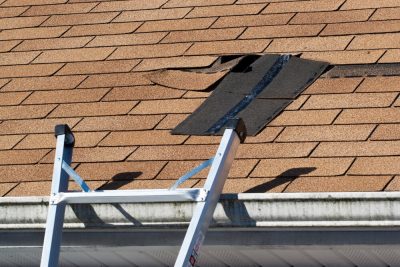
The sooner you know it, the better for your roof repair-desiring property, depending very much on the extent of the damage with respect to age and thin budget. Repairs are usually chosen if problems are localized, the budget does not permit replacement, or considerable life remains with the roof.
Isolated Damage
Minor isolated damage, such as some leaks or a few missing shingles, is a good candidate for repair. Even the slightest leaks could lead to mold or structural problems when left unattended.
Budget Constraints
If a complete replacement of the roof is financially impossible, a roof repair is an option. Making repairs of urgent issues, suc