On this page
Two professional inspections a year leaves ten months where you are the one watching the roof.
You do not need to climb anything. Most of what matters in this climate is visible from the ground or from an upstairs window, and the routine below takes about twenty minutes a season.
Table of Contents
- Key Takeaways
- Why Your Roof Needs You
- Beyond Cost Savings
- Preserving Home Value
- Your First Defense
- Your DIY Roof Maintenance Plan
- a. Ground View
- b. Gutter and Downspout Duty
- c. Debris Removal
- d. The Attic Checkpoint
- e. Document Everything
- A Year in Your Roof’s Life
- Spring Awakening
- Summer Stress
- Autumn Preparation
- Winter Watch
- Keep Your Roof In Good Shape By Getting The Right Maintenance
Older roofs require more attention between professional inspections. Start by clearing debris, replacing loose shingles, and keeping gutters clean. Watch for leaks after storms and keep an eye on flashings and ventilation. Small problems caught early can save you from bigger, costlier repairs later.
Consistent care not only extends your roof’s life but also gives you peace of mind through every season. Don’t wait for small issues to turn into costly repairs. Let TurnKey Roofer handle your maintenance with trusted expertise. Call us now or drop by our office, and let’s keep your roof strong year-round.
Key Takeaways
- Routine maintenance prevents costly repairs and protects your home’s structure.
- A well-kept roof maintains property value and offers peace of mind.
- Your roof shields your home from harsh weather; fix small issues early to avoid bigger damage.
- DIY steps like ground-level inspections, gutter cleaning, debris removal, and attic checks go a long way.
- Seasonal care and post-storm inspections help your roof last longer.
Why Your Roof Needs You
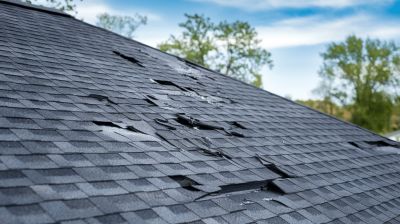
Your roof is not just a part of your house or business, but an important investment containing everything underneath it. Between professional cleaning and regular maintenance helps prevent having to pay for expensive damage, plus it prolongs the life of anything below it.
Beyond Cost Savings
Maintaining your roof helps you avoid costly repairs, water damage, or mold problems. A little care now saves you from bigger structural expenses later.
Preserving Home Value
Your roof likewise needs constant maintenance to guarantee that both it and your property will keep their strength. In contrast, a solid roof will instill confidence in potential buyers, especially in stormy areas.
Your First Defense
A roof stands against hail, storms, and sunlight all day long, thus causing the gradual degradation of the roofing materials. Weakness or leaking water into an area would suddenly precipitate such failures as rotten wood or damaged ceilings. Depending on the way you maintain it, this will ensure that your investment remains safe and gives you peace of mind.
A Season by Season Routine for New Orleans
Spring, March to May. Termite swarm season. Walk the perimeter and look at the fascia boards and soffit for soft spots, bubbling paint or sagging panels. Clear the gutters properly before hurricane season, because a blocked gutter in a Gulf Coast downpour puts water where it does not belong. Book the pre-season inspection.
Summer, June to August. Hurricane season is open. After every severe thunderstorm, walk the yard for shingle pieces and check the gutters for granule buildup. Look at the ceilings inside after heavy rain. Trim any live oak limbs that overhang the roof, before the wind does it for you.
Fall, September to November. Peak storm months. Same routine as summer, more often. After any named storm, check ceilings first, then walk the perimeter.
Winter, December to February. The quiet season and the best time for repairs. Book the post-season inspection. This is also when contractors have availability, which they do not have in September.
Your DIY Roof Maintenance Plan

With the most basic maintenance plan in hand, professionals, homeowners, and property managers extend roof life and save, or avert, expensive repair costs. Regular maintenance checks and inspections keep any roof at its best, even in climates with such unpredictable weather.
1. Ground View
Begin from the ground, looking up for missing shingles or sagging and discoloration. Use binoculars for seeing those hard-to-reach areas, with a particular interest in the vents, chimneys, and skylights, which are the most common areas of trouble.
2. Gutter and Downspout Duty
Cleaning out gutters and downspouts should be done as a routine every six months at least. Consider having gutter guards installed on your home if it is situated in a wooded setting. Ensure that you look for rust, cracks, or loose joints before foundation issues emerge.
3. Debris Removal
Remove leaves, moss, and twigs that might damage