
On this page
- Understand Roof Insurance Claim Basics
- The Mistake That Costs New Orleans Homeowners the Most
- Why Documentation is Important
- The Common Mistakes to Avoid When Filing Roof Claims
- Policy Misunderstandings and How to Avoid Them
- The Pitfalls of DIY Repairs
- How to Choose the Right Contractor
- Two Mistakes Specific to Storm Season Here
- Preventative Maintenance Matters
- Communicate Effectively with Adjusters
- Do Not File Alone
- Roof Claim FAQs for New Orleans Homeowners
A roof claim in New Orleans is not usually lost because the damage was not real. It is lost because of something the homeowner did, or did not do, in the first week.
After a named storm this city fills with adjusters working through a backlog and contractors who arrived from three states away that morning. Both are moving fast. The homeowner who slows down, documents properly and reads their own policy tends to get paid what the roof is actually worth. Here are the mistakes that cost people money locally.
Understand Roof Insurance Claim Basics
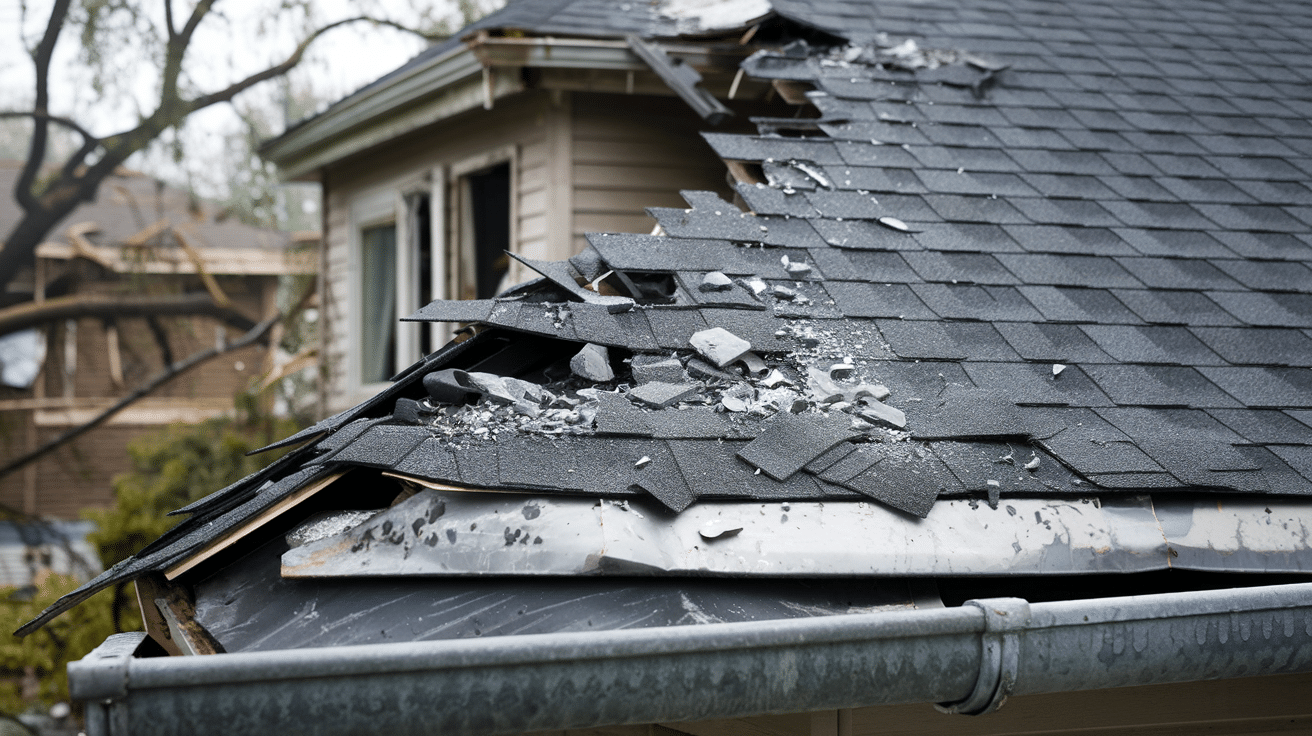
Before you start the process, it is important to understand the basics of roof insurance complaints. Different policies, so knowing the details of your policy may have an impact on your payment. Terms such as actual cash value (ACV) and replacement costs (RC) are essential to remember because ACV policies often explain depreciation, which can reduce payment.
It is also very important to understand what is insured. Damage related to storms, such as hail or wind, is often covered, while damage caused by wear and tear is not. Suitable documents – Photos, videos, and professional tests – verify your complaints and prevent disputes. Be aware that the political term, because the deposit is too lat,e can lead to rejection.
The Mistake That Costs New Orleans Homeowners the Most
Assuming the deductible on the declarations page is the deductible that applies.
Gulf Coast policies commonly carry a separate named-storm deductible, and it is usually a percentage of the dwelling coverage rather than a flat sum. Your ordinary $1,000 deductible covers a tree limb in March. Once a storm has a name, a percentage deductible can apply instead, and on a well-insured home that runs into thousands of dollars.
Homeowners discover this at the worst possible moment, after the adjuster has already been out. Find the named-storm clause in your policy now, before hurricane season, and know the number.
Why Documentation is Important
Good documentation is a major factor in the success of your roof insurance claim. The more complete the records, the easier the process will be. Homeowners who document carefully the damage and their interactions with the insurer stand a better chance of having their claims settled expeditiously.
-
Document All Roof Damage Thoroughly
Begin documenting all visible damage, no matter how small. Small cracks or missing shingles, if left unaddressed, could become bigger issues. Record the date of the incident (e.g., the storm) and any specific exposure to the elements, such as hail or heavy winds. Details such as the location of the damage or the materials affected will help make your claim clearer.
-
Take Photos and Videos as Evidence
High-quality photos and videos are essential. Ensure that every damaged area is photographed from at least three different angles, and include timestamps. The more visual evidence you have, the stronger your case. If hail damage is involved, for example, photograph the impacts in a 10×10-foot test area and mark them with chalk for a clear, quantifiable record.
-
Keep Detailed Records of Communication
Maintain a record of every interaction with your insurance company. Notes about dates, what was discussed, and the names of representatives are invaluable. Save all attendant emails and letters, too, as they’ll come in handy to support your case later on.
The Common Mistakes to Avoid When Filing Roof Claims
Making a roof insurance claim is a measure to safeguard your house, but some errors must be avoided to have an efficient and effective process.
1. File Your Claim Promptly
Timeliness is important. Most policies also have a deadline for filing a claim, usually 180 days from the day the damage occurred. Delayed filing can lead to further complications or a lower payment. Delays can also cause additional damage, potentially raising repair costs.
2. Understand Your Policy Coverage
Make sure you know everything about your policy, such as the deductible, coverage limits, and exclusions. Getting definitions such as Actual Cash Value (ACV) cleared up with your insurance company will prevent nasty surprises. Ensure that you know exactly what is covered and what is not before going ahead with a claim.
3. Obtain a Professional Roof Inspection
A licensed roofing contractor can provide a professional damage assessment, complete with photos and a detailed report. This documentation is far more reliable than verbal accounts or personal observations and can significantly strengthen your claim.
4. Avoid Unauthorized Repairs
Any repairs you do on your roof before receiving permission from your insurer can put your claim at risk. Temporary solutions, such as tarping over leaks, are permissible, but permanent repairs must not be undertaken without the approval of the insurer.
5. Provide Complete and Accurate Information
Prevent mistakes in your claim forms. Mistakes or inaccuracies can hold up your claim or result in denial. Ensure that detailed descriptions, estimates, and repair histories are included, as these will strengthen your case and improve credibility.
6. Choose Qualified Roofing Contractors
Only hire licensed, insured, experienced entrepreneurs to work on your roof. An experienced expert in handling insurance complaints will ensure that the repair is equal and complies with the requirements of your police.
7. Communicate Effectively With Your Insurer
Clear, consistent communication with your insurance company is vital. Proactive follow-ups can prevent your claim from stalling. Document every conversation and be thorough in providing all requested information to avoid delays.