On this page
The shingles get all the attention, but the underlayment underneath them is what actually keeps water out when a shingle lifts, cracks, or blows off in a storm. In a climate as humid as New Orleans, the wrong underlayment can undercut even a good set of shingles, which is why TurnKey Roofer treats it as its own decision rather than an afterthought bundled into a shingle quote.
What Underlayment Actually Does
Shingles are the first line of defense against rain, but no shingle system is completely sealed. Underlayment is the waterproof or water-resistant layer between the shingles and the deck that catches what gets past them, especially at valleys, around penetrations, and along edges where wind-driven rain works its way underneath during a named storm.
It also protects the deck itself during the window between tear-off and the new shingles going down, which matters on any job where weather is even slightly unpredictable. A roof with good shingles and poor underlayment can still fail from the inside out, slowly enough that nobody notices until a stain shows up on a ceiling.
The Three Types of Roofing Underlayment
Felt Underlayment
Traditional felt, sometimes called tar paper, is the older standard. It is inexpensive and widely used, but it absorbs moisture more readily than newer materials and can wrinkle or tear in high humidity, which matters more here than in a drier climate. It still has a place on some jobs, particularly where budget is the deciding factor, but it is worth going in with clear eyes about the tradeoff rather than assuming all underlayment performs the same.
Synthetic Underlayment
Synthetic underlayment is lighter, more tear-resistant, and sheds water better than felt, which is why it has become the more common choice in storm-exposed markets. It generally holds up better through the installation process itself too, since it is less prone to tearing underfoot before the shingles go on.
Self-Adhering Underlayment
Self-adhering, sometimes called peel-and-stick, bonds directly to the deck and seals around nail penetrations, making it the most watertight option. It is commonly used at eaves, valleys, and other vulnerable areas even when a different underlayment covers the rest of the roof, and some homeowners choose it for the entire roof in high-wind zones.
It costs more than felt or standard synthetic, and that cost is usually worth it in exactly the areas where water finds its way in first. A roof does not need it everywhere to benefit meaningfully from having it in the right places.
Why This Matters More in New Orleans Than Most Markets
Between the humidity and the volume of wind-driven rain during hurricane season, underlayment in this market works harder than it does almost anywhere else in the country. A felt underlayment that would last acceptably in a dry climate can degrade faster here, and a roof that looks fine on the surface can still be letting moisture into the decking underneath if the underlayment underneath it was the wrong choice for this climate to begin with.
This is also where cutting a corner is hardest to catch after the fact. Once shingles go down, nobody can see what underlayment is underneath them without pulling the roof apart, which means the decision gets made once, at installation, and lives with the roof for its entire life.
Mandeville Homeowners: Older Roofs Deserve a Second Look
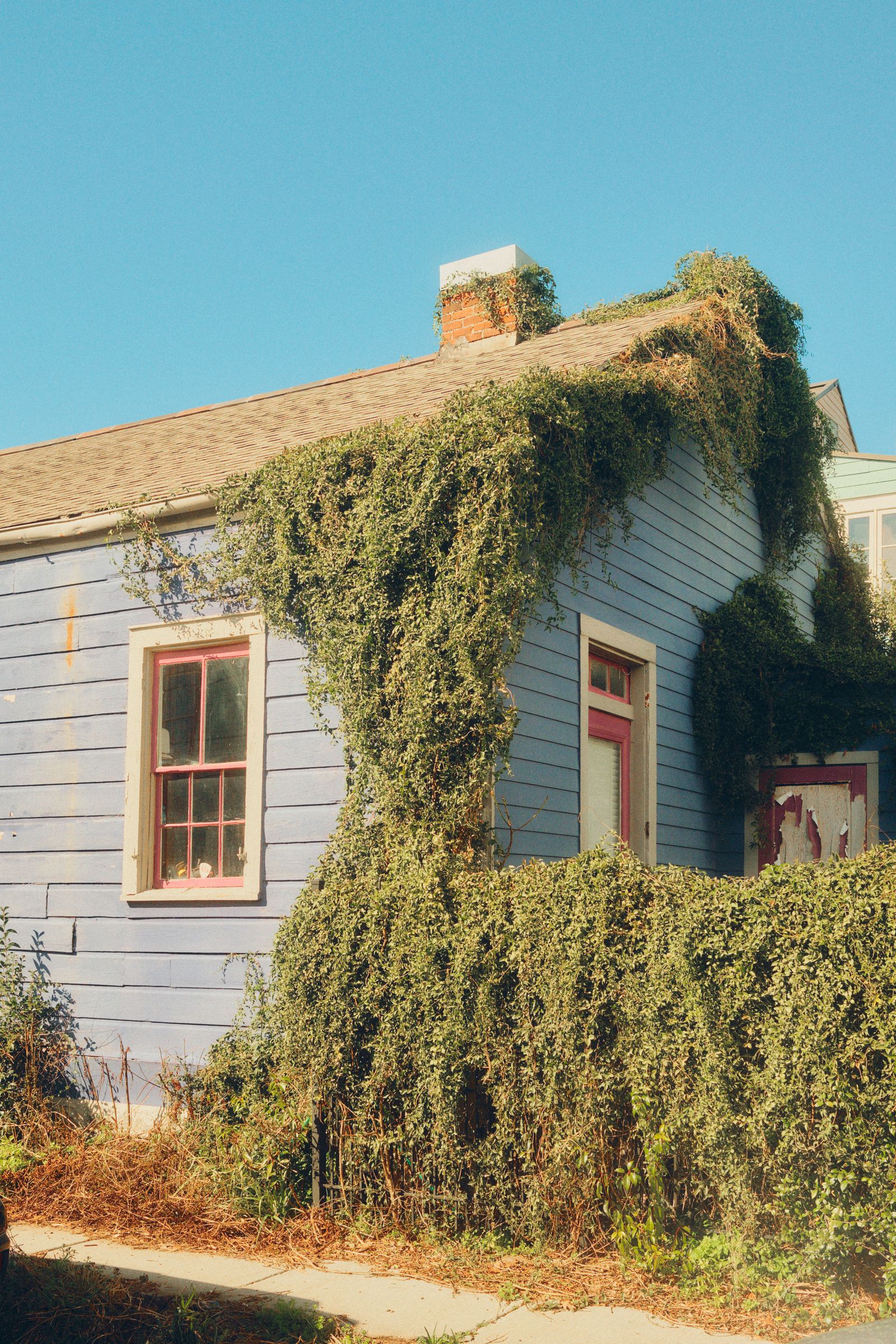
Mandeville has a lot of well-maintained, higher-value homes where the shingles themselves may still look presentable while the underlayment underneath has quietly aged past its useful life. Thickness and material grade are not something you can judge from the ground, which is why an actual inspection matters more than how the roof looks from the driveway.
A roof that is fifteen or twenty years old on a well-kept Mandeville property is a reasonable candidate for this exact conversation, even if nothing about it looks urgent yet. Waiting for a visible problem means waiting past the point where the underlayment was still doing its job quietly.
What a Real Inspection Checks
Underlayment thickness and material are usually described in mils or as a product grade, and a legitimate roofer should be able to name both as specific line items: which one is currently on your roof, and which one they recommend for the replacement. A vague quote for “new shingles” that never mentions what goes underneath them is worth asking about directly.
Get Your Roof’s Underlayment Checked
Every roofing type pairs with underlayment differently, and getting that pairing right is part of what makes a roof actually hold up here. Call (504) 226-7070 or reach out through our contact page for a real inspection, not a guess from the curb. Louisiana Residential License #890459. Commercial License #3667.
Roof Underlayment FAQs for New Orleans Homeowners
What roofing underlayment is best for a humid climate?
Synthetic or self-adhering underlayment generally holds up better than traditional felt in high humidity, since felt absorbs moisture more readily. The right choice also depends on the specific area of the roof and the shingle system going over it.
What are the three types of roofing underlayment?
Felt, synthetic, and self-adhering (peel-and-stick) are the three main types. Many roofs use a combination, with self-adhering underlayment at the most vulnerable areas like valleys and eaves.
What thickness of underlayment should I use?
Thickness is typically described in mils or by product grade, and the right choice depends on the roofing material going over it and the specific area of the roof. A roofer should be able to name the exact product, not just a general thickness.
Is roof underlayment actually waterproof?
Self-adhering underlayment is genuinely waterproof and bonds to the deck. Felt and most synthetic underlayments are water-resistant rather than fully waterproof, which is why placement and installation quality matter as much as the product itself.
Does underlayment matter if my shingles are still in good shape?
Yes. Underlayment can degrade faster than the shingles above it, especially older felt in a humid climate, so shingles that look fine from the ground do not guarantee the layer underneath is still doing its job.
How often does underlayment need to be replaced?
It is generally replaced whenever the roof itself is replaced, since removing shingles to swap underlayment alone is rarely practical. This is exactly why choosing the right underlayment at replacement time matters for the whole life of the new roof.