On this page
- What Are Fascia Boards?
- Common Materials and Sizes
- Formosan Termites and Your Roof Edge
- Identifying Fascia Board Problems
- Gutter Issues Affecting Fascia Boards
- Effective Repair Methods
- Why Fascia Rots So Fast in This Climate
- Long-Term Solutions for Prevention
- Hiring Professionals for Repairs
- Soft Fascia? Get It Looked At Before It Spreads
- Fascia Board FAQs for New Orleans Homes
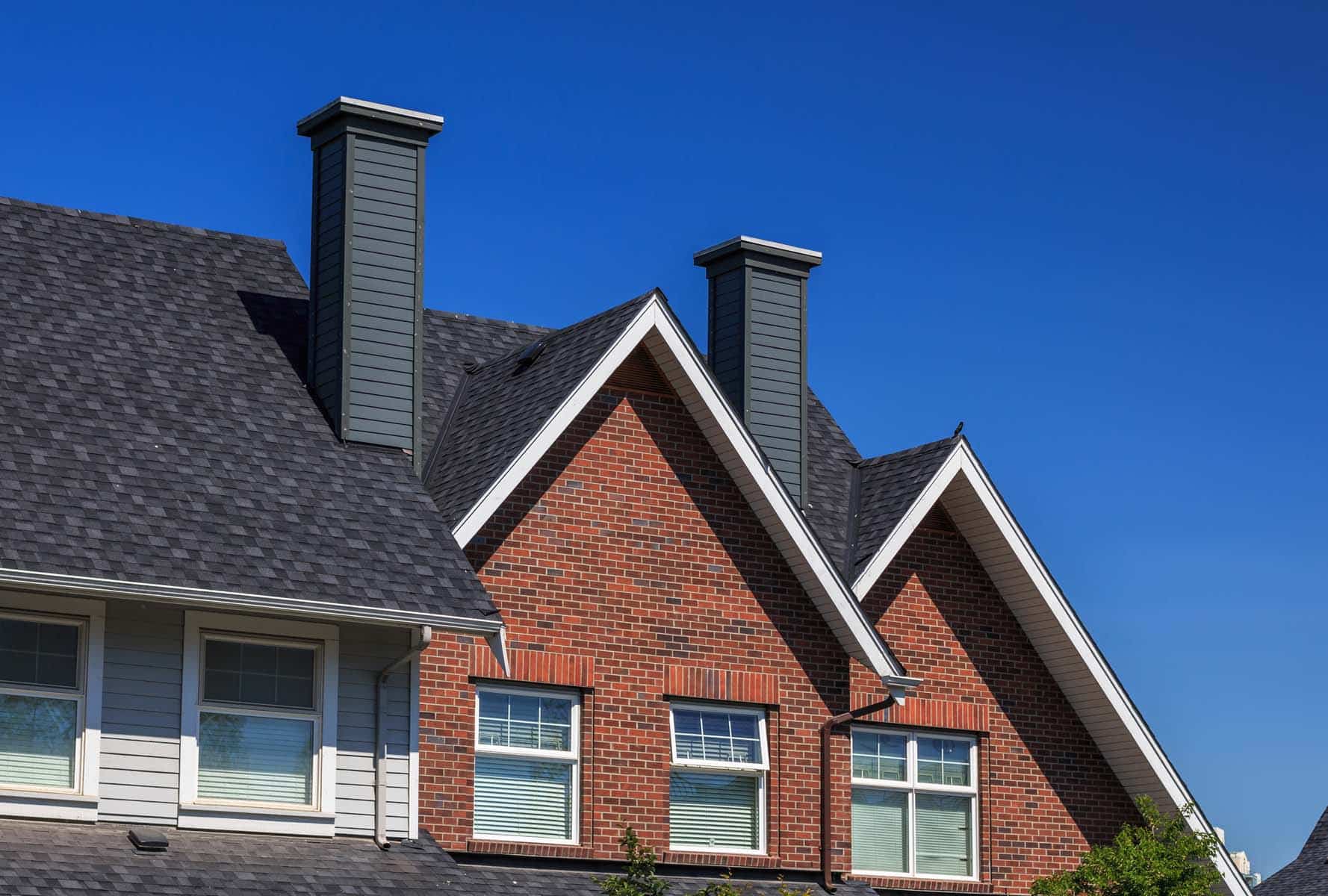
The fascia is the board running along the roof edge, behind the gutter. Most people never think about it until it is soft.
In New Orleans it deserves more attention than that. Fascia is wood, mounted at the wettest part of the house, in a city with year-round humidity and the most destructive termite in North America. It is often the first part of a roof structure to fail here, and it is the doorway to everything behind it.
What Are Fascia Boards?
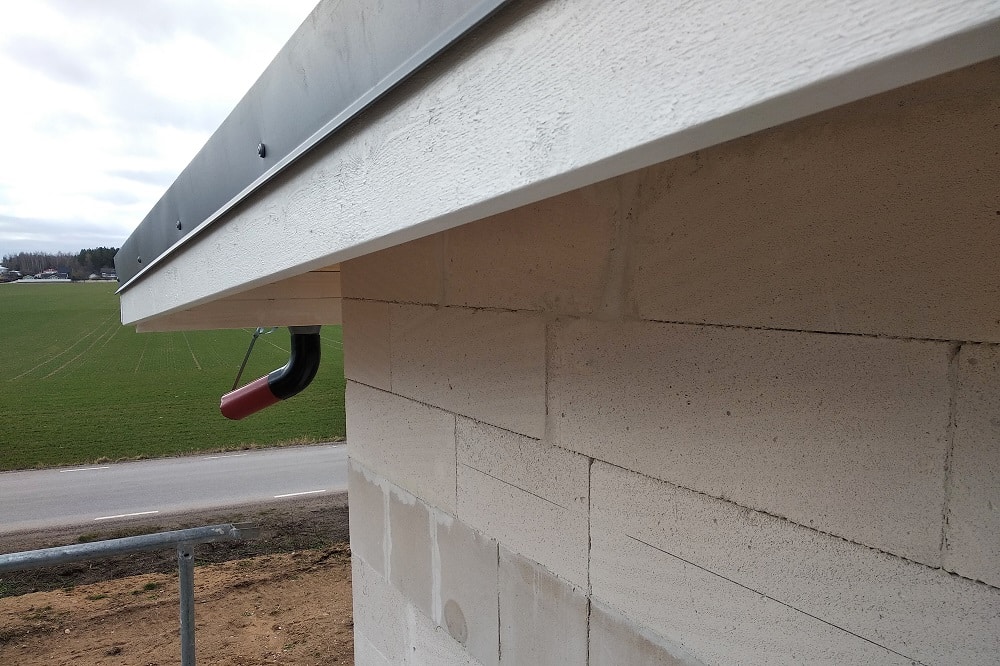
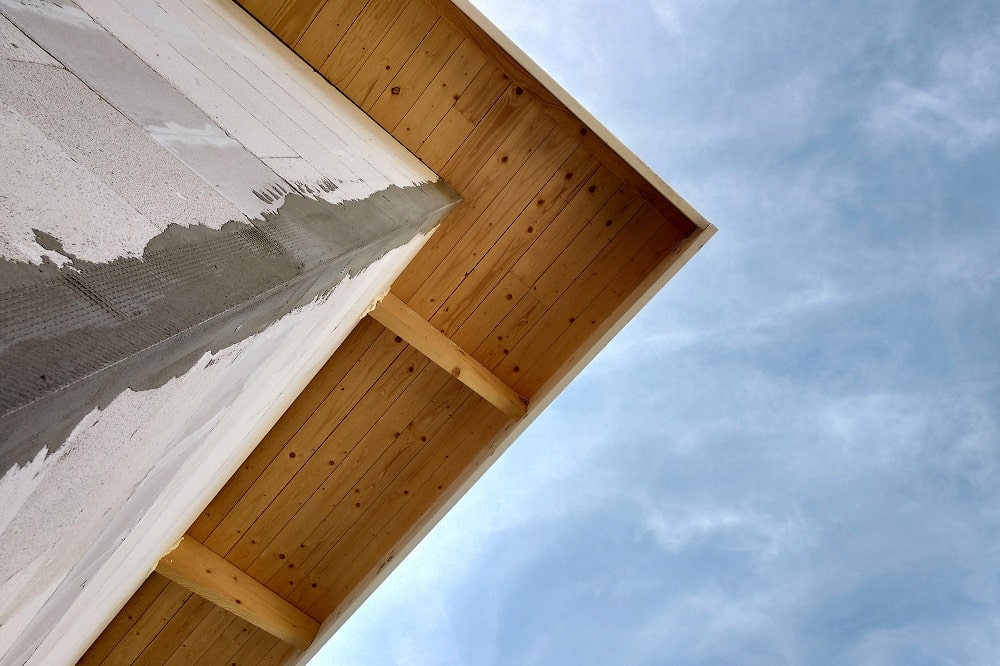
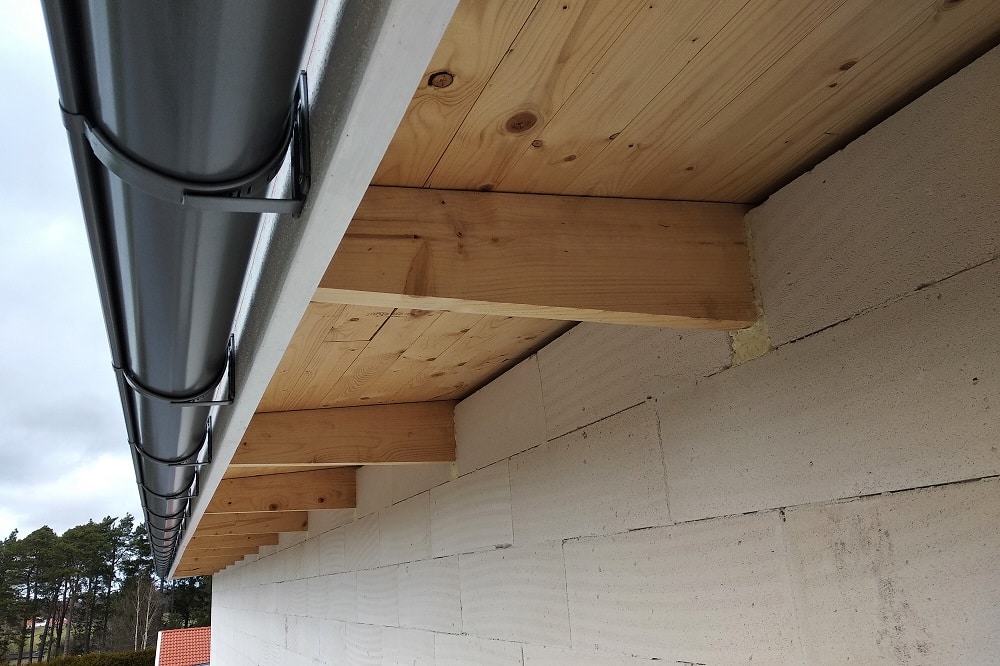
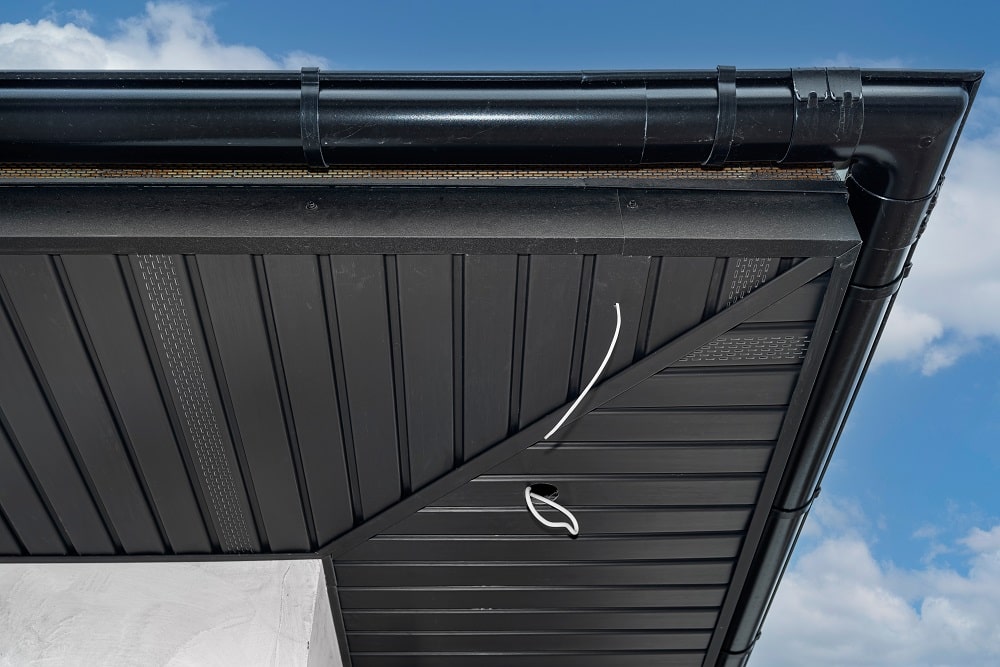
Fascia boards serve an important purpose by supporting gutters and directing rainwater away from the roof and walls. They also add to your home’s overall appearance when paired with soffits underneath, creating a clean, finished look for the roofline.
Proper installation helps fascia boards last longer and reduces the chance of future issues. When securely fitted, they better protect the roof and enhance its durability.
Common Materials and Sizes
Fascia boards are available in different materials, each offering unique benefits:
- Wood: Often chosen for its classic look, wood fascia boards can be painted or stained to match the home’s exterior. However, they require ongoing care to prevent rot and decay.
- Vinyl and Composite Materials: These materials are low-maintenance, durable, and resistant to moisture and pests, making them a popular choice in areas with extreme weather.
Fascia boards typically come in widths ranging from 6 to 10 inches, providing adequate support for gutters and protecting the eaves.
Formosan Termites and Your Roof Edge
New Orleans has a documented, long-running problem with Formosan subterranean termites. They are more aggressive than native species and they build large colonies, and in this city they are a normal part of owning a house rather than a rare misfortune.
Fascia and soffit are a common route into the roof structure. The wood is exposed, it is frequently damp because of gutter overflow and humidity, and it connects directly to rafter tails and decking.
What to look for: paint that bubbles or blisters on the fascia, wood that sounds hollow when tapped, small holes, or the mud tubes termites build. Swarm season is spring, and a swarm around the house is a reason to have the roof edge looked at rather than only calling pest control.
Termite treatment is a pest control job. Replacing the wood they damaged, and stopping the moisture that attracted them, is a roofing job. You usually need both.
Identifying Fascia Board Problems
Fascia boards are easy to overlook until damage occurs. Regular checks are essential to spot issues early and avoid costly repairs.
- Signs of Damage: Fascia board problems often reveal themselves through visible cracks, peeling paint, or discoloration. Soft spots in the wood might also indicate underlying rot, while signs of pest activity, such as small holes or wood dust, can suggest a larger issue. Additionally, sagging or loose gutters may cause water to seep behind the fascia, leading to further damage. Identifying and addressing these concerns early can prevent more extensive problems and ensure your fascia boards remain in good working condition.
- Causes of Rot and Decay: Water leaks are a frequent cause of fascia board decay. Excessive moisture from high humidity or poor attic ventilation can lead to fungal growth and weaken the boards. Wooden fascia boards are particularly vulnerable to these conditions.
- Effects of Sun Exposure: Extended sun exposure can cause wooden fascia boards to fade, crack, or warp. Applying UV-resistant coatings or paint can help protect the boards and increase their lifespan.
- Pest Infestations: Termites and carpenter ants can create serious damage over time. Signs of infestation include tunnels or wood dust. Regular inspections and pest control measures are effective ways to protect your fascia boards.
Gutter Issues Affecting Fascia Boards
Fascia boards and gutters work together to manage water runoff, and problems with one can affect the other.
- Loose or Sagging Gutters: Loose gutters can pull away from the fascia, leading to water seepage and damage. Tightening gutters with new hangers can help restore alignment and protect fascia boards.
- Clogged Downspouts: Blocked downspouts can cause gutters to overflow, which may result in fascia board damage. Clearing downspouts regularly and using gutter guards can reduce debris buildup and prevent these issues.
- Drip Edge Concerns: Drip edges play a role in directing water away from fascia boards. Missing or damaged drip edges can allow water to pool and harm the boards. Regular checks and timely replacements help avoid these problems.
Effective Repair Methods
Repairing fascia boards early helps maintain their functionality and appearance. Here are practical repair options:
- Fix Loose Fascia Boards: Use screws or brackets to secure loose boards after inspecting for hidden damage. This strengthens the boards and prevents further problems.
- Sand and Repaint Surfaces: Smoothing rough edges and repainting fascia boards with weather-resistant paint improves their look and adds protection.
- Use Wood Filler: For small cracks, clean the damaged area and fill it with wood filler or epoxy. Once dry, sand the surface and repaint for a polished finish.
- Replace Damaged Sections: Replace rotting or severely damaged boards with durable materials. Seal all joints to prevent water intrusion and match the boards to your gutters for improved longevity.
Why Fascia Rots So Fast in This Climate
Gutter overflow. A blocked or undersized gutter in a New Orleans downpour spills water back against the fascia. It happens every heavy rain, and the board never fully dries between events.
Ambient humidity. Wood here does not dry the way it does in a drier climate. A board that gets wet stays damp longer, and damp wood is both rot-prone and attractive to termites.
Sun on the paint. The summer sun degrades the paint film that protects the board. Once the paint fails, the wood is exposed, and the cycle accelerates.
Wind. Storm wind pulls at the roof edge. A fascia already softened by rot gives way, and then the gutter and roof edge go with it.
Left alone, fascia rot spreads inward to the rafter tails and the decking. At that point it stops being a board and becomes structural work.
Long-Term Solutions for Prevention
Adopting preventive measures can greatly reduce repair needs:
- Waterproof Coatings: Applying waterproof coatings creates a barrier against moisture, helping to prevent rot and mold.
- Aluminum or Vinyl Wraps: Protect fascia boards from harsh weather conditions with aluminum or vinyl coverings. These materials are resistant to rain, wind, and UV rays.
- Durable Materials: Choose options like PVC or composite boards, which are less prone to splitting and provide long-term protection.
Regular Maintenance Matters
Regular maintenance can extend the lifespan of fascia boards. Cleaning, repainting, and inspecting for damage help prevent moisture buildup and other issues. Paying attention to gutters and downspouts is equally important, as they play a critical role in protecting fascia boards.
Hiring Professionals for Repairs
For major damage or more complex problems, professional repairs ensure long-lasting results.
When to Seek Expert Help
Consider hiring professionals for:
- Extensive water damage or pest infestations.
- Repairs involving intricate architectural designs.
Benefits of Professional Services
Professionals bring experience and high-quality workmanship to repairs, often offering warranties for added peace of mind. Their expertise ensures fascia boards remain durable and continue to protect your home.
Soft Fascia? Get It Looked At Before It Spreads
We replace fascia and soffit across the New Orleans metro, and we fix the gutter or drainage problem that caused it. Otherwise the new board rots too.
New Orleans, Metairie, Kenner, Slidell, Covington, Mandeville, Gretna, Harahan, LaPlace, River Ridge, St. Rose, Madisonville, Hammond and Baton Rouge. Louisiana Residential License #890459. Commercial License #3667.
Call (504) 226-7070.
Fascia Board FAQs for New Orleans Homes
Do termites eat fascia boards in New Orleans?
Formosan termites damage exposed structural wood, and fascia and soffit are a common entry route to roof structure. Spring swarm season is the time to check.
Should I replace fascia with a composite material?
It is worth discussing. Composite and PVC trim do not rot and are not food for termites, which matters more in this climate than in most. It costs more up front.
Can I just repaint over soft fascia?
No. Paint over rot hides it and traps moisture. The soft section has to come out.
What is the difference between fascia and soffit?
The fascia is the vertical board along the roof edge that the gutter attaches to. The soffit is the horizontal underside between the roof edge and the wall. Both are wood on most New Orleans homes, both hold moisture, and both are termite entry points.
What does fascia replacement cost?
It depends on how many linear feet are rotted, whether the rafter tails behind it are affected, and whether the gutter has to come down. Catching it while it is one soft board is a great deal cheaper than catching it after it reaches the roof structure.