On this page
The wind drops. The power may still be out. Somewhere on the block a chainsaw starts up. This is the point at which most roof damage in New Orleans gets either found or missed for six months.
You do not need to climb anything to do a useful first check, and you should not try while the roof is wet. What follows is the order to work through, what to photograph, and the signs that mean call somebody today rather than next week.
Table of Contents:
- Key Takeaways
- Safety First
- Assess Surroundings
- Final Tips
- Signs of Roof Damage
- a. Missing or Loose Materials
- b. Water Stains and Leaks
- c. Structural Issues
- d. Debris and Fallen Objects
- Inspection Tips for Different Roof Types
- Asphalt Shingles
- Metal Roofs
- Tile Roofs
- Flat Roofs
- When to Call a Professional
- Extensive Damage
- Safety Concerns
- Unclear Issues
- Keep Your Roof Sturdy From Storms By Trusting Us To Inspect It For You
Standing outside, view your property from ground level and take note of any damage signs, such as fallen branches, roof debris, or loose shingles. Then, look out from your house for any impediments to cleanup, such as broken glass or nails. While outside, check the nearby trees for broken branches that could break and cause more damage. Look for neighboring properties and assess how badly the storm may have affected them. If they are damaged, your roof may also require another inspection.
If you’re unsure or spot anything concerning, our team at TurnKey Roofer can take a closer look for you. Don’t wait until small problems turn into costly repairs—reach out today and let us help keep your home safe. We’re here to answer your questions and make the process stress-free.
Key Takeaways
- Keep safety first when checking your roof after a hurricane. Wait until the weather is calm, and wear gloves, sturdy shoes, and a helmet before starting.
- Begin from the ground by looking for visible damage such as fallen branches, missing shingles, or debris. Check the perimeter for hazards like nails or cracked branches.
- Use proper equipment, including non-slip shoes, a stable ladder with someone spotting you, and a flashlight. Keep a first aid kit nearby in case of accidents.
- Watch for signs of damage such as loose shingles, water stains on ceilings, sagging rooflines, or clogged gutters and downspouts.
- Different roof types require different checks. Asphalt, metal, tile, and flat roofs all have unique risks, so use the right approach for each.
- Call a professional if the damage is widespread, if safety is a concern, or if you’re unsure. They can handle difficult repairs, detect hidden problems, and make sure your roof stays secure after the storm.
Before You Go Outside
Downed power lines. After Ida, live lines sat in New Orleans streets and yards for days. Assume any line is live.
Do not climb a wet roof. Especially not slate or tile, which is what sits on a lot of older homes in the Garden District, Uptown and the French Quarter. Wet slate is genuinely dangerous.
Check the ceilings first. Walk every room and look up. A brown ring on a ceiling tells you water is already inside, and that changes the urgency.
Then walk the perimeter. You can see most of what matters from the ground with a phone camera and the zoom.
Safety First

Wearing proper gear is crucial to staying safe while doing the inspection. Put on non-slip boots, gloves, safety glasses, and a helmet to stay fully protected. For inspecting elevated areas, use a ladder with a strong base and bring someone with you to spot you. In dark areas such as attics, having a flashlight is necessary. Lastly, keep a first aid kit for any small accidents in the field.
Assess Surroundings
For a roof inspection, postpone your assessment until 24-48 hours after the storm. This gives time for lurking debris and anything unstable to settle. The last thing you want is an inspection during a heavy downpour or strong winds, which make things even more hazardous! Let professionals attend to the big dangers first. You can grab a pair of binoculars and do your reconnaissance before stepping on the roof.
Final Tips
Before stepping on the roof, make sure it looks stable and safe. If there are signs of sagging or loose materials, it’s better to wait and call a professional. A small slip can lead to serious injury, so safety should always come first.
Signs of Roof Damage
After a hurricane, identifying the signs of roof damage is important to nip it in the bud. An assessment of your roof after a storm can reveal some of the most common signs of storm damage and confirm its state of health.
1. Missing or Loose Materials
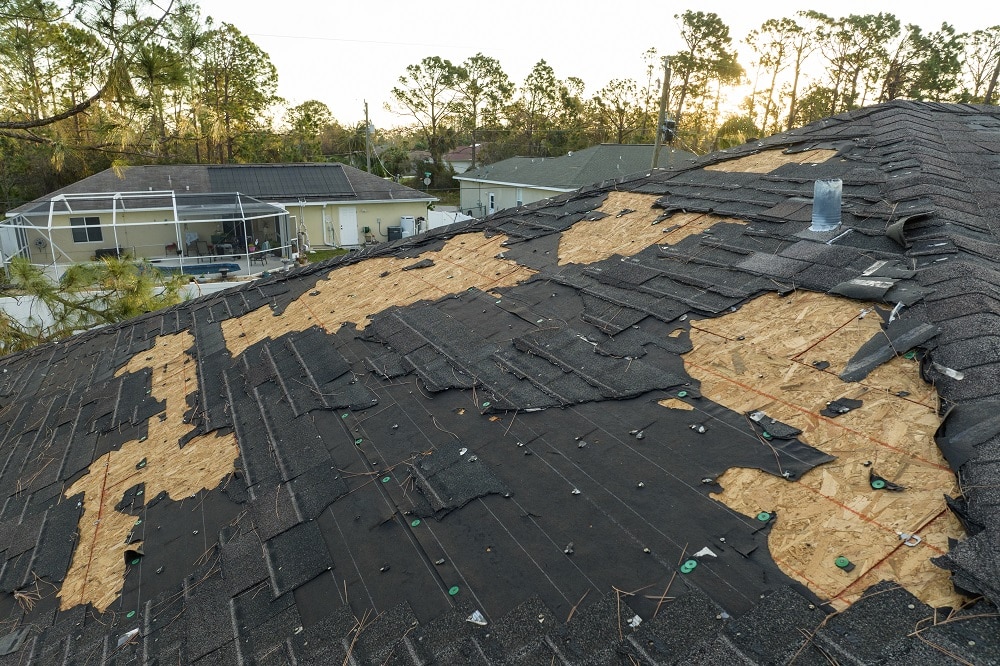
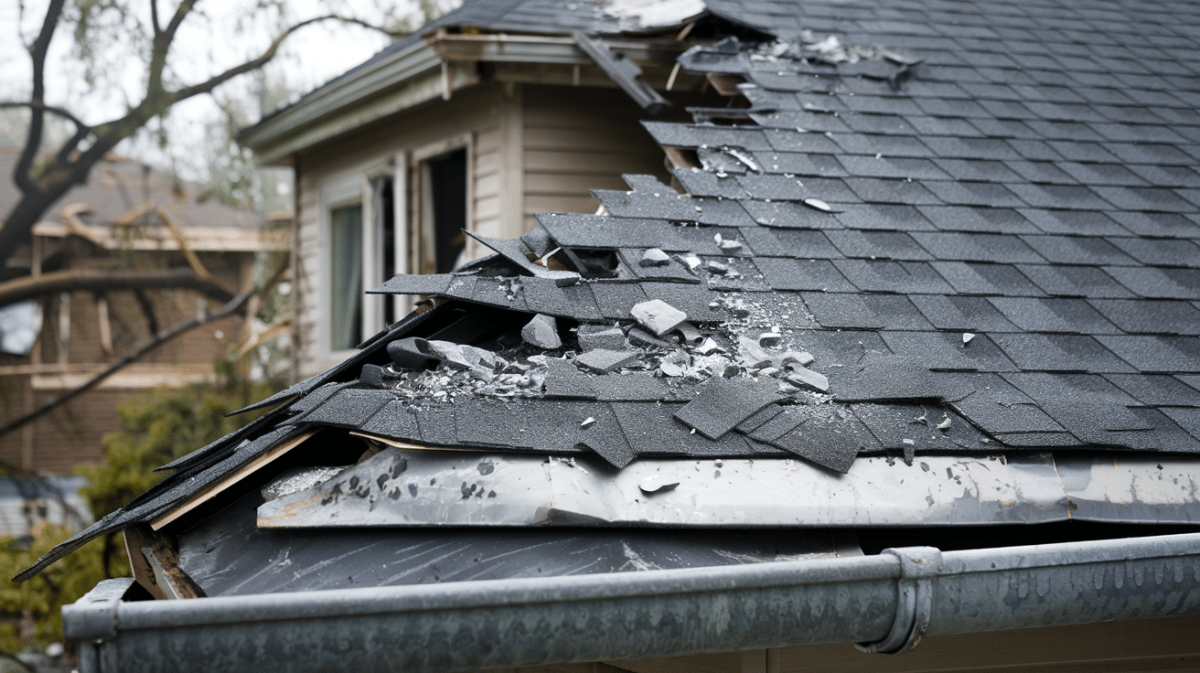
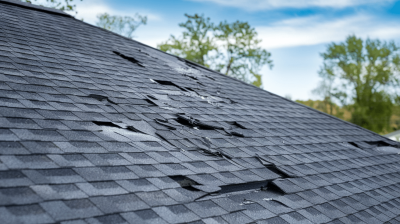
Any shingles missing from your yard spell trouble. Wind can even curl or lift shingles. Inspect flashing that may have come loose around chimneys, vents, and skylights, as well as missing gutters or downspouts that could prevent drainage. Shower the gutters with asphalt granules on the ground below as a sign of wear.
2. Water Stains and Leaks
Water stains and leaks must be scouted on ceilings and walls. Inspect your attic for wet insulation or damp spots. Leaking from the roof itself impairs the roof’s strength under water during rain. Hail damage magnifies the leaks, damaging vents and shingles.
3. Structural Issues
A sagging roof line can be evidence of structural damage. Inspect the beams in the attic for cracks and any bowing of the roof deck. If you suspect the roof to be unstable, seek emergency repairs from qualified personnel.
4. Debris and Fallen Objects
Big branches can puncture your roof, and small debris may clog gutters and thus prevent drainage. Inspect for hidden damage from reckless flying debris.
Inspection Tips for Different Roof Types
Different roof types may show storm damage in different ways. Here are practical tips for checking asphalt, metal, tile, and flat roofs after a hurricane.
-
Asphalt shingles
Check for granule loss, misshapen or curled shingles, and cracks or dents. Examine the condition of adhesive strips.
-
Metal roofs
Look for dents, punctures, and rust around fasteners, and make sure seams are tight to prevent leaks.
-
Tile roofs
Neglect of cracked or poorly placed tiles is taken seriously because it can facilitate leaks. Also, moss or algae should be checked as indicators of moisture retention, and an inspection of the underlayment underneath broken tiles.
-
Flat Roof
Flat roofs should be free of pooled water, and the membrane should be intact with no cracks or punctures. Scuppers and drains should also be cleaned to ensure proper drainage.
By following these guidelines, you can effectively assess and address roof damage after a hurricane.
What Hurricane Damage Looks Like on a New Orleans Roof
Shingles in the yard or the neighbor’s yard. Obvious, and worth photographing where they landed before anyone tidies up.
Shingles that look fine but are not sealed. Wind uplift breaks the adhesive strip and the shingle settles back down looking normal. This is the most common hurricane damage in this city and the most commonly missed. It needs someone on the roof to find.
Lifted or torn flashing. Look at chimneys, vent pipes and any point where a roof plane meets a wall. Wind-driven rain here comes in sideways and flashing is where it gets in.
Damage to soffit and fascia. High wind pulls at the roof edge. On the raised homes common in Lakeview and Gentilly, soffit damage is often visible from the ground.
Debris strikes. Live oak limbs across Uptown and Broadmoor leave clear impact marks. Photograph the limb and the mark together if the limb is still there.
Granules in the gutters and at the downspout outlets. A sign the shingle surface took a beating even where nothing is obviously torn.
When to Call a Professional
Hurricane damage may be found on different parts of the roof, and getting it fixed may be challenging for a homeowner. Some may not need expert services. The need to call in the services of professionals becomes necessary at times. The reason for the appointment with such experts is mainly safety, prevention of further damage, and protection of investments.
-
Extensive Damage
If a large part of your roof is damaged, it’s time to call a professional. Missing or broken shingles can quickly lead to water problems, and a roofer can tell you whether repairs or a full replacement are needed.
Serious issues like sagging, partial collapses, or leaks inside your home require immediate attention. An expert inspection will reveal the extent of the damage and the best steps to take.
-
Safety Concerns
Your safety comes first. Climbing a steep or damaged roof without proper gear is risky, and exposed wires or heavy debris make it even more dangerous. In these cases, it’s best to leave the work to professionals.
-
Unclear Issues
Not all roof damage is easy to see. Hidden issues like leaks or weakened supports can go unnoticed but may affect your roof’s strength over time. A licensed contractor can spot these problems and provide the right solutions to keep your roof safe.
Free Post-Storm Roof Inspection
After a named storm we prioritize inspections across the parishes we serve. We document what we find in a form your insurer can work from, and we tell you plainly whether you have a claim.
New Orleans, Metairie, Kenner, Slidell, Covington, Mandeville, Gretna, Harahan, LaPlace, River Ridge, St. Rose, Madisonville, Hammond and Baton Rouge. Louisiana Residential License #890459. Commercial License #3667.
Call (504) 226-7070.
Post-Hurricane Roof Check: New Orleans FAQs
How soon after a hurricane should I have my roof inspected in New Orleans?
As soon as it is safe. Inspectors and adjusters across Orleans, Jefferson and St. Tammany parishes book out within days of a major storm.
Should I put a tarp on it myself?
Only if you can do it safely from a ladder without walking the roof. A tarp limits interior damage, and insurers generally expect you to take reasonable steps to prevent further loss. Photograph the damage before you cover it.
My roof looks fine after the hurricane. Do I still need an inspection?
Yes. Wind-lifted shingles that dropped back flat are the single most common hurricane damage here, and they are invisible from the ground.
What exactly should I photograph after a hurricane?
Wide shots showing the whole house and its position, then close shots of each damaged area. Photograph shingles where they landed before anyone clears the yard, any limbs that struck the roof, interior ceiling stains, and the date and time stamp intact.
Is it safe to go into the attic after a storm?
Only if the power is off in that area, the structure looks sound, and you have a torch rather than an open flame. If you see sagging decking, standing water or damaged wiring, come out and call someone. Never step between the joists.