On this page
Hiring a roofer in New Orleans is not the same as hiring one in a mild climate. The roof has to survive hurricane season, months of heat and humidity, and sideways rain, and the person installing it needs to have built for that before.
The checks below are ordered by how much they actually tell you. The first one takes two minutes and rules out most of the bad options.
Start With the Louisiana License
Louisiana licenses contractors through the Louisiana State Licensing Board for Contractors. Ask for the number before anything else, and verify it rather than accepting a card.
A roofer who works here properly will hand it over without hesitation, and the good ones publish it. TurnKey Roofer’s numbers are on every page of this site: Louisiana Residential License #890459 and Commercial License #3667. You can check them without calling anybody.
without confirming it with the LSLBC.
Understanding Roofing Contractor Credentials
Selecting the right roofing contractor is vital for ensuring a durable and well-executed roof. The credentials of a contractor can provide insight into their qualifications and reliability. Here are the specific credentials you should consider:
Certifications and Endorsements
A credible roofing contractor typically holds professional certifications. These certifications are proof of training and expertise in roofing techniques and materials.
Insurance and Bonding
Contractors should carry comprehensive insurance and be bonded to protect homeowners from liability. Key aspects include:
- Workers’ Compensation Insurance: Ensures coverage for any injuries workers might sustain on the job.
- General Liability Insurance: Protects your property from damage due to the contractor’s operations.
- Surety Bond: A bonding company provides a surety bond to guarantee the contractor completes the project as agreed.
Evaluating Your Needs
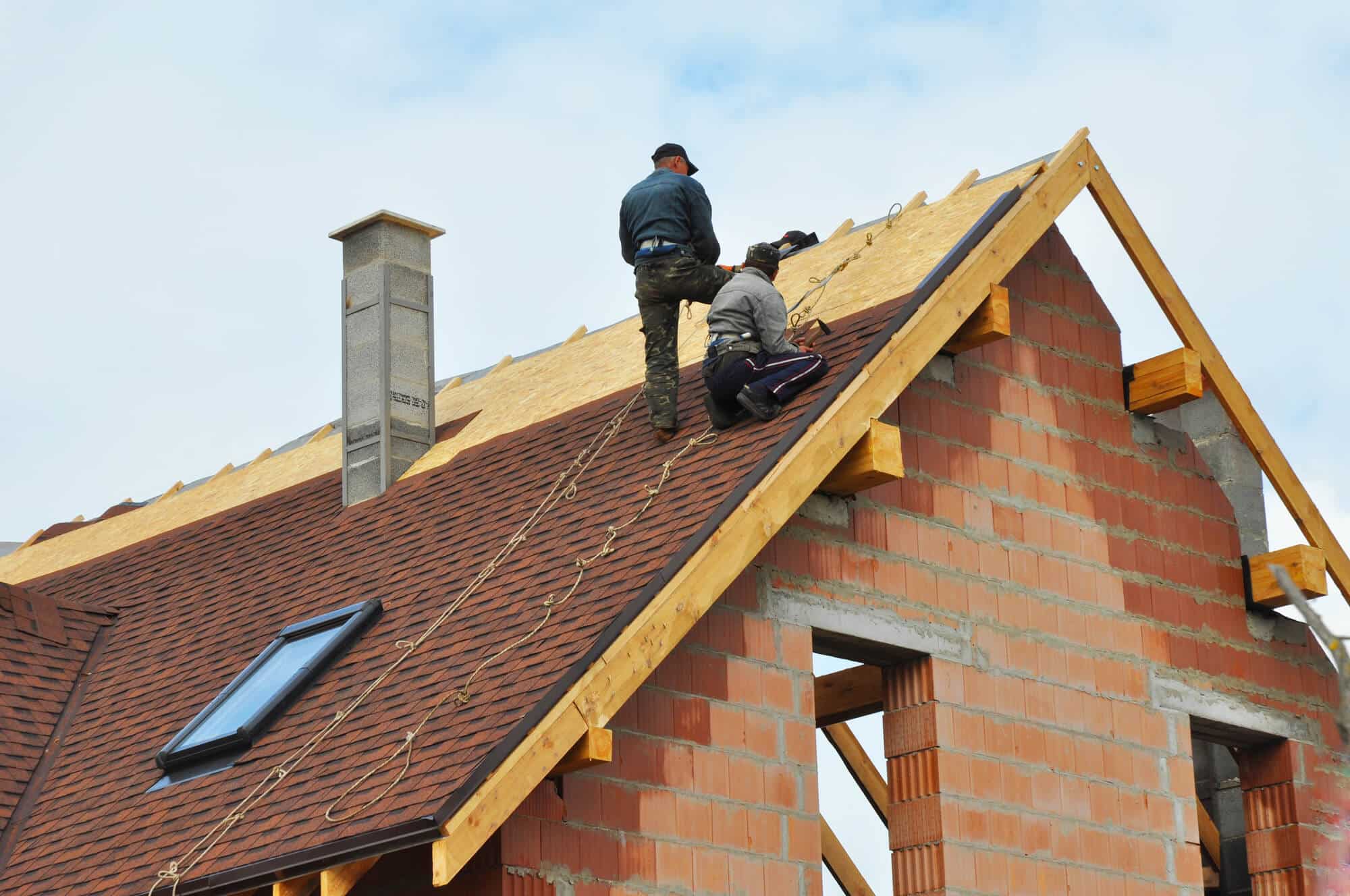
Before choosing the right roofing contractor, it is essential to understand the specific needs of your roofing project. This involves assessing the complexity of your roof and considering the materials that will be used.
Assessing Roof Complexity
The complexity of a roof can greatly influence which contractor is suitable for the job. Factors such as the slope, number of layers, and presence of features like skylights or chimneys play a critical role in this evaluation. For instance:
- Slope: Steep roofs require specialized equipment and experience.
- Layers: Multiple layers may indicate the need for extensive work.
- Features: Complex features necessitate skilled craftsmanship.
Material Considerations
Choosing the right materials is as important as the contractor who will be installing them. Materials vary in durability, aesthetics, and price, so they should align with both the climate of the area and the homeowner’s expectations.
Key material options include:
- Asphalt shingles: Popular for their cost-effectiveness and ease of installation.
- Metal roofing: Offers durability and energy efficiency.
- Slate or tile: Provides a distinct look and longevity but can be more expensive.
One must consider both the material’s performance over time and the contractor’s familiarity with installing the chosen material.
Researching Potential Contractors
When selecting a roofing contractor, a thorough investigation is imperative. This research ensures the choice of a contractor with a strong local presence and a reputation bolstered by positive feedback from past clients.
Local Contractor Advantages
Choosing a local roofing contractor has several specific advantages:
- Compliance with Local Building Codes: Local contractors are familiar with regional building codes and regulations.
- Proximity for Follow-up and Warranty Issues: They offer convenient access for any necessary follow-up or warranty work.
- Understanding Local Weather