On this page
Clay and concrete tile have been on New Orleans roofs for a very long time, and the reason is not decoration. Tile handles humidity without rotting, it does not feed termites, and it copes with intense sun better than most materials.
It also weighs a great deal and it breaks under impact. Here is the honest version for a city that gets hurricanes.
Why Tile Suits This Climate
Humidity does nothing to it. Clay and concrete do not rot, warp or grow anything structural. In a city where moisture is the main enemy of a roof, that is a genuine advantage.
Termites ignore it. With Formosan termites established across New Orleans, a roof surface that is not food is worth something.
It handles the sun. Tile takes a New Orleans summer without the granule loss and brittleness that ages asphalt shingles here.
It fits the architecture. On Spanish Colonial and Mediterranean revival homes in this city, tile is the material the roof was designed around. In an HDLC district that can matter for approval as well as appearance.
It lasts. Properly installed and maintained, tile outlives most alternatives comfortably.
Why Choose Tile Roofing?
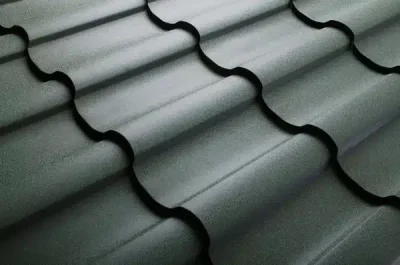
Tile roofing has long been regarded as one of the optimal roofing products to install. Tile roofs are a great option where elegance meets durability. Based on everything from fending off hurricanes to reaping years of savings, tile roofing is a purchase you will not regret.
1. Timeless Durability for Long-Term Protection
One of tile roofing’s most lauded benefits is its unmatched durability. While other roofing materials need constant replacement, tile roofs are equipped to endure. Clay and concrete tiles are the most popular tile roof options. When installed properly, they can do so for 50 years or more with little maintenance! Indeed, many tile roofs have been recorded to last a full one hundred years under ideal circumstances.
2. Exceptional Resistance to Weather Extremes
Tile roofing is truly among the best for all-weather conditions – a vital advantage for homeowners in hurricane zones. Concrete tiles are designed to handle these intense winds, and some systems can stand winds as high as 150 mph. This is particularly crucial during Hurricane Season, when hurricane-patterned winds and rain are brutal.
Beyond wind resistance, it turns out tile roofs are naturally resistant to hail, fire, and even UV radiation. These features combined create an intelligent option for New Orleans homeowners who experience extreme and erratic weather conditions.
3. Energy Efficiency Benefits for New Orleans Homes
Tile roofing provides impressive energy efficiency benefits, making it a great fit in hot climates. Clay and concrete tiles have inherent thermal characteristics. They do this by providing attic insulation and keeping heat transfer to a minimum. The natural air flow created underneath the tiles makes it even better. It creates an extra layer of protection against heat.
Tile roofs can lower building cooling costs by up to 20%! This reduction cannot be easily predicted, depending on the type of building style and insulation of the building. Given the escalating energy costs, selecting a roofing material that contributes to a home being energy efficient is a smart long-term investment.
4. Boosting Curb Appeal with Unique Aesthetics
New Orleans has a variety of colorful, historic, and world-famous architecture, constructed from materials that exemplified status and wealth. Tile roof systems represent another means to elevate the beauty of a home, while also preserving its unique character. This flexibility and beauty greatly improve curb appeal. They can even raise your property value, so tile roofing is a smart choice for long-term thinkers.
5. Environmentally Friendly and Sustainable Choice
As sustainability becomes the target for commercial and residential buildings, tile roofing is a sustainable choice to enable sustainable developments. Tile roofing typically consists of roofing tiles from natural materials (clay and concrete) that are recyclable at the end of life. Tile roofing generates much less waste than other popular roofing materials (asphalt shingles) that end up in landfills more often.
The Honest Trade-offs in Hurricane Country
Weight. Tile is heavy. Not every roof structure will take it, and an older New Orleans home may need structural work before tile is an option. That assessment comes first, not last.
Impact. Tile is strong under pressure and brittle under impact. A live oak limb in a hurricane cracks tile where it might only dent metal.
Individual repairs. Cracked tiles are replaced individually, which is a benefit compared with re-roofing a slope. It does mean matching tile on an older roof, which is not always easy.
The underlayment matters more than the tile. This is the part people miss. Tile sheds most of the water, and the underlayment beneath it is the real waterproof layer. In this rainfall the underlayment specification is what decides whether a tile roof leaks.
Installation quality is everything in wind. Tile that is not fastened for this wind environment becomes debris in a named storm. Ask specifically how the tiles are secured.
Cost Factors and Long-Term Value
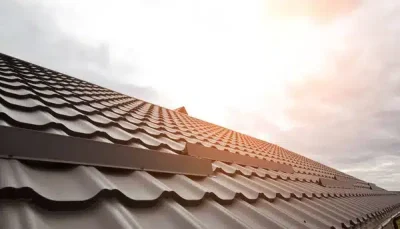
Usually, tile roof cost will tend to be relatively costly, mostly because materials are costly, as well as the fact that the roof usually does need structural support. Clay tile or concrete can weigh a whopping 1,000 pounds per square foot. This generally involves reinforcing the roof to hold more weight. This additional step raises upfront costs but provides greater safety and longevity. In the end, the savings can offset this expense.
Consumers like functional and enduring beauty and are generally attracted to tile roofs because they are so durable and energy-efficient, so it’s a great long-term investment. It does have some maintenance expenses, but they are minimal and pay dividends for centuries.
Thinking About Tile?
We will look at the structure first and tell you honestly whether tile is a realistic option for your home, and what it would take.
New Orleans, Metairie, Kenner, Slidell, Covington, Mandeville, Gretna, Harahan, LaPlace, River Ridge, St. Rose, Madisonville, Hammond and Baton Rouge. Louisiana Residential License #890459. Commercial License #3667.
Call (504) 226-7070.
Tile Roofing FAQs for New Orleans Homes
Can my New Orleans home take a tile roof?
It depends on the structure. Tile is heavy, and older homes may need reinforcement. That assessment has to happen before anything is ordered.
How does tile handle hurricanes?
Properly fastened tile performs well in wind. It is vulnerable to impact from flying debris, and individual broken tiles can be replaced afterwards.
Is tile allowed in historic districts here?
Tile is often the historically appropriate material on the homes that originally had it. Confirm with the Historic District Landmarks Commission before ordering, since requirements vary by district.
What does a tile roof cost compared with shingles?
Meaningfully more up front, and it lasts a great deal longer. The bigger variable is whether your structure needs reinforcing to carry the weight, which has to be assessed before any price is meaningful.
How do I find matching tiles for an older roof?
Salvage yards and specialist suppliers carry discontinued profiles, and it is worth keeping spares from any repair. On a historic New Orleans property, matching the existing tile is often the difference between a straightforward repair and a review process.