On this page
Ask a New Orleans homeowner what damages roofs here and they will say hurricanes. Hurricanes do the dramatic damage. They are not what wears most roofs out.
The roof over your head is dealing with something in every season: humidity that never really lifts, months of heavy sun, sudden downpours, storm season, and termites that swarm in spring. The named storm is the event people remember. The other eleven months are what actually decide how long the roof lasts.
The New Orleans Roofing Year
Spring, March to May. Termite swarm season. Formosan termites are established across this city and they reach roof structure through fascia and soffit. Spring storms also bring the year’s most likely hail. This is the right window for a pre-season inspection.
Summer, June to August. Hurricane season opens June 1. Alongside the named storms, this is the period of maximum sun and maximum humidity. Shingles lose granules, sealant degrades, and attics reach temperatures that cook the roof from below. Afternoon thunderstorms test flashing weekly.
Fall, September to November. Peak named-storm months. Wind uplift, driven rain and debris strikes from live oak limbs. Hurricane season closes November 30.
Winter, December to February. The quiet season, and the best time to repair anything. Occasional hard freezes, which are rare enough here that pipes and roof details are not always prepared for them. The right window for a post-season inspection.
How Weather Affects Your Roof
The roof is exposed to heavy rain, snow, extreme heat, and strong wind. These different weather conditions, over time, may leave your roof worn—leaks where water can pour in, damage that occurs with the structure, or simple repairs needed on your roof.
Here’s how different weather conditions impact your roof:
-
Sun Exposure
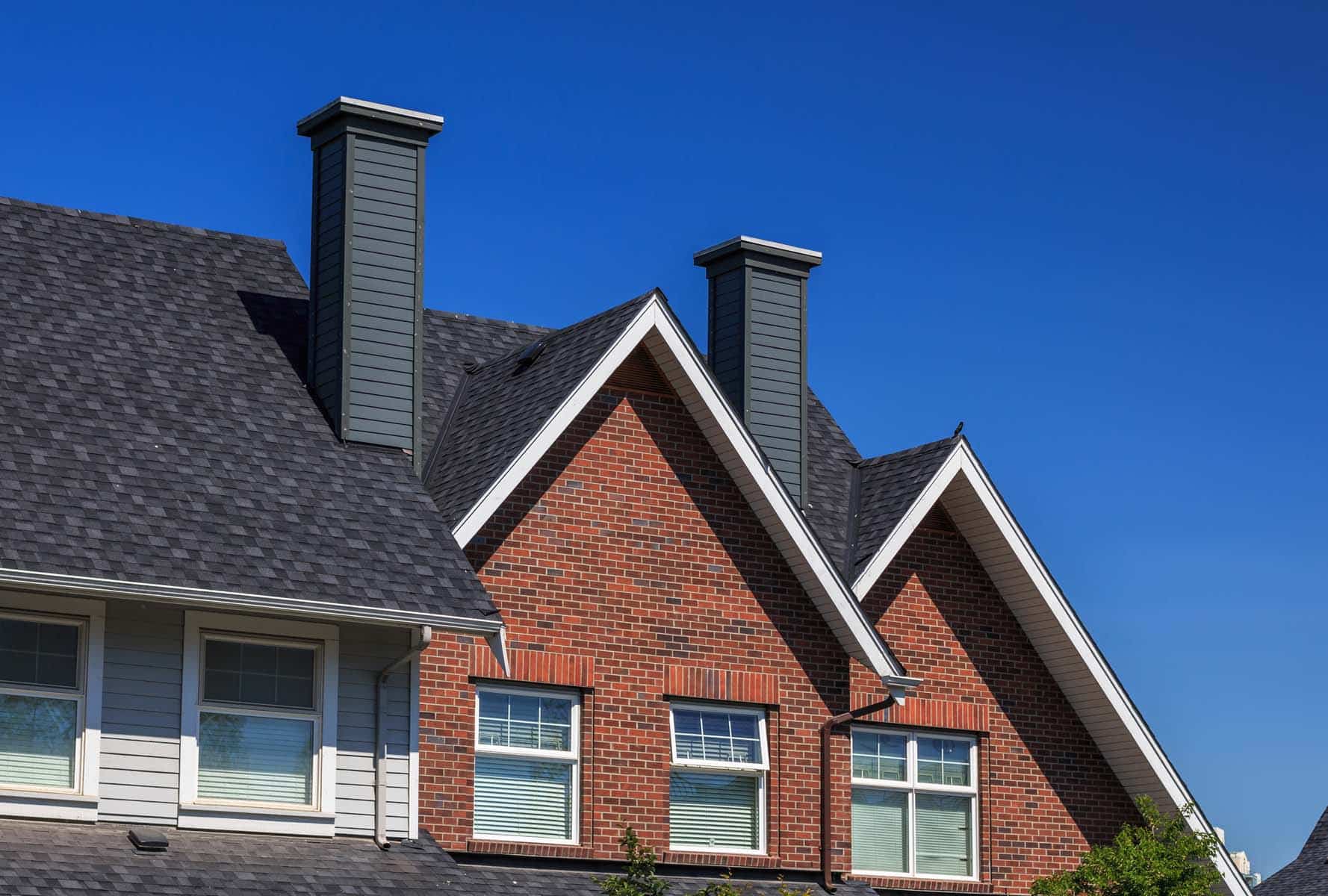
Roofs face the relentless sun. UV rays break down roofing materials over time, leading to deterioration. Heat makes materials expand and contract, causing the roof to weaken. Over time, this can lead to cracks and other structural issues.
-
Rain and Moisture
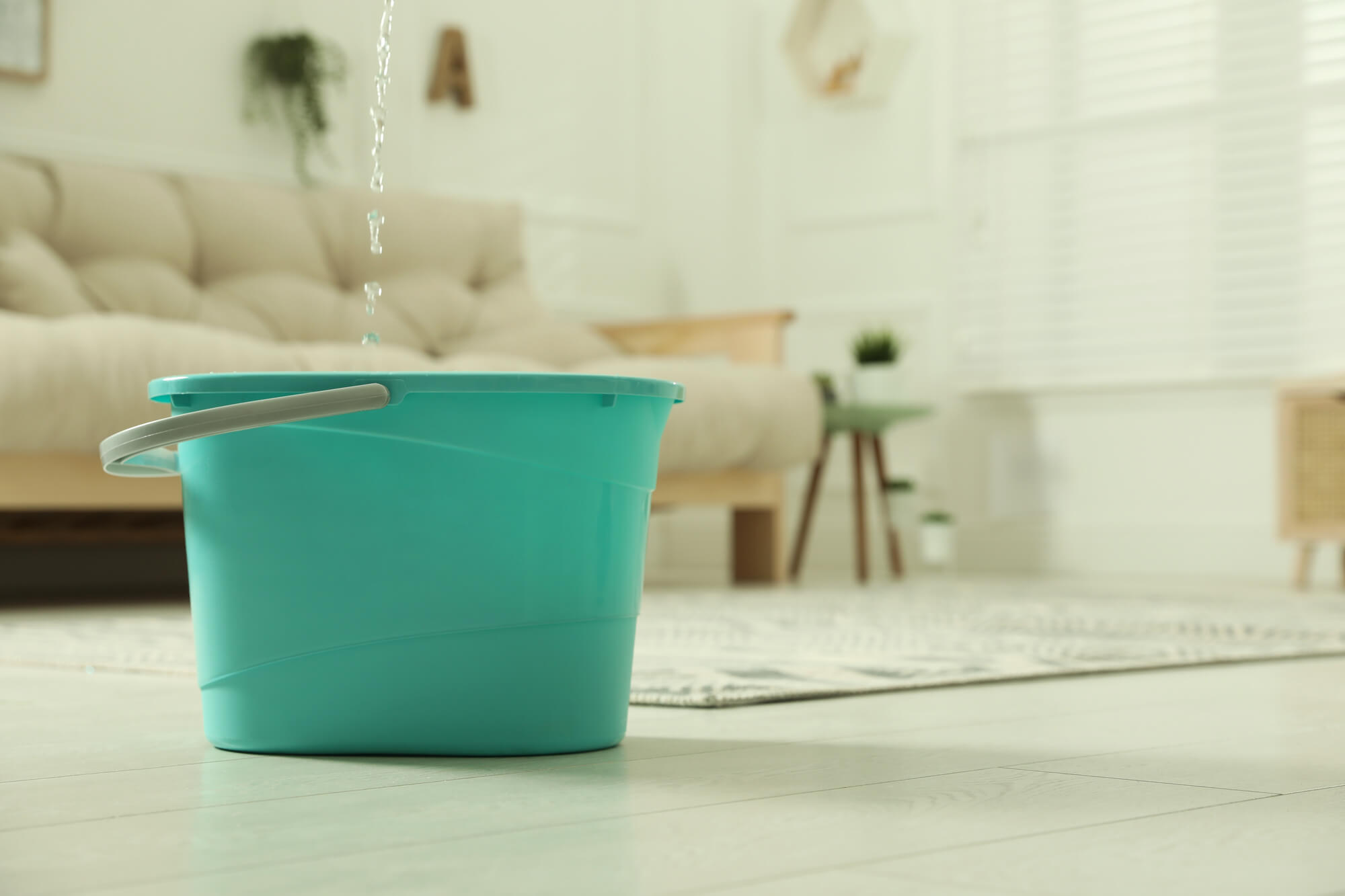
Water is a roof’s enemy. It can cause leaks and water damage. Proper drainage and gutters are vital to keeping water away from your home. Persistent moisture can also lead to mold and mildew growth, which can compromise the structural integrity of your roof.
-
Wind and Storms
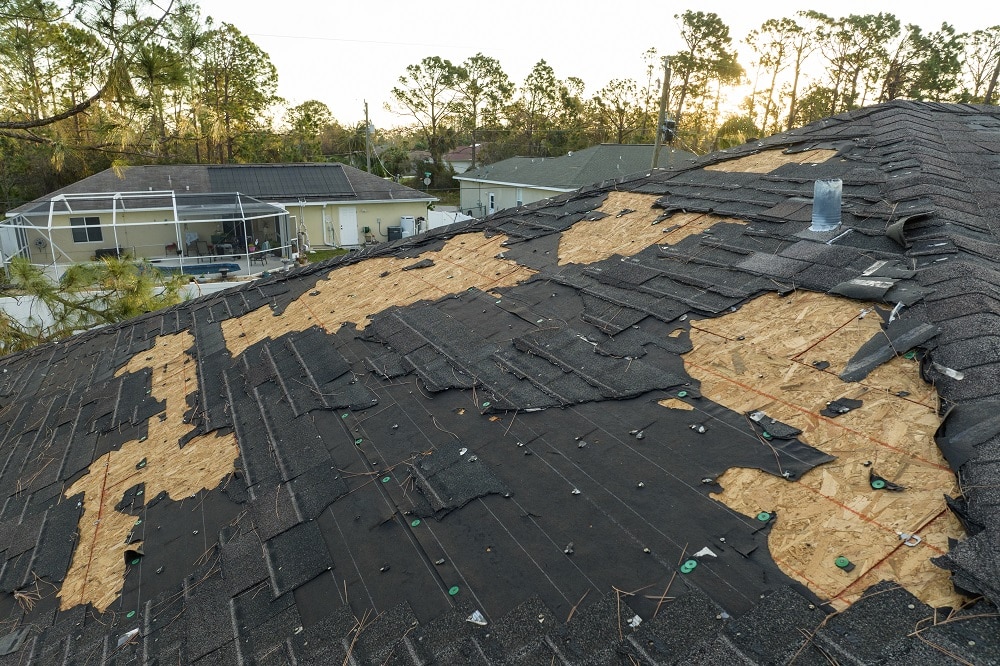
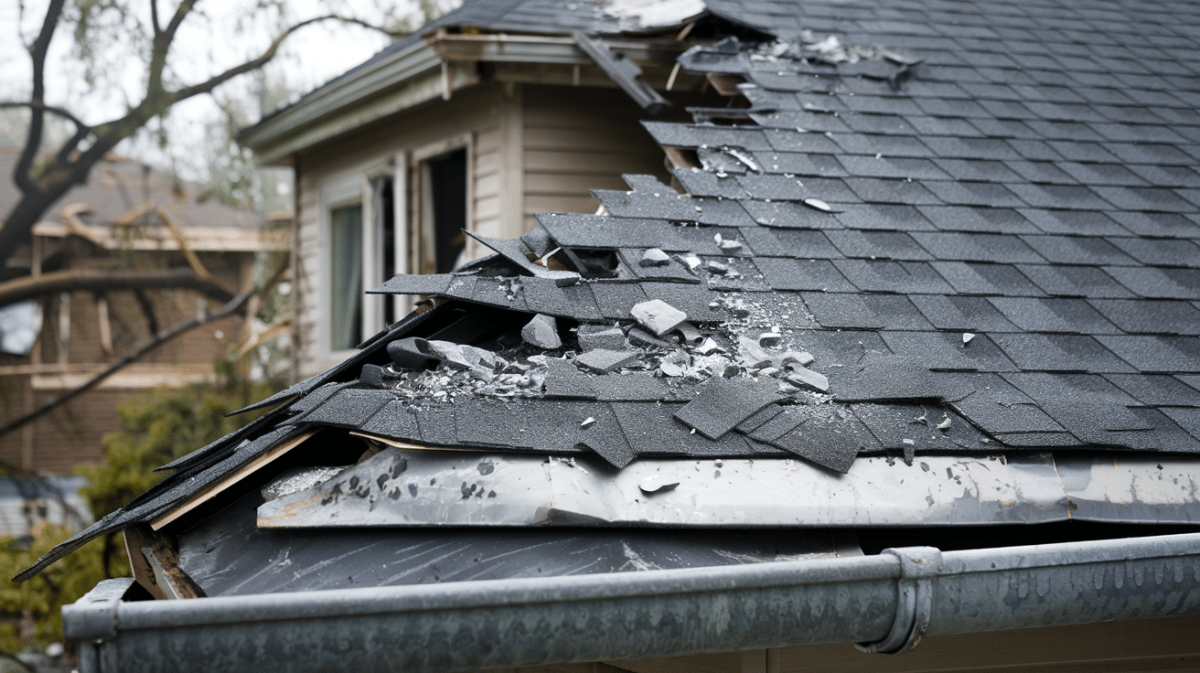
High winds are trouble. They can lift shingles, exposing your roof. Storms bring debris that can hit and damage roofs. Severe wind damage is a real threat. Strong winds can also cause tree branches to fall, resulting in further damage.
-
Hail
Hail hits hard and is considered one of the severe weather conditions. It causes significant roof damage. Identifying this damage early is key to repairing it. Hail can create dents and punctures, leading to potential leaks and further deterioration if not addressed promptly.
Preventive Measures to Protect Your Roof
Safeguard your roof and ensure its longevity by being careful to avoid any damage that may arise. In case you need a perfect roof check-up, you are not reluctant to get in touch with Turnkey Roofers for reliable Preventive Measures.
Regular Inspections
- Regular roof maintenance is key. Homeowners should schedule professional roof inspections at least twice a year. These checks can spot potential issues before they necessitate roof repairs. Look for signs of wear, such as cracked shingles or damaged flashing.
- Professionals use detailed checklists during inspections. They ensure nothing is overlooked. This proactive approach saves money in the long run.
Durable Materials
- Choosing the right resistant roofing materials matters. In New Orleans, weather conditions demand resilient roofing. Metal roofs, for example, withstand severe storms better than most materials.
- The benefits of durable materials are clear. They last longer and offer better protection against the elements. To select the best option for your home contact us so we can offer our durable roofing materials.
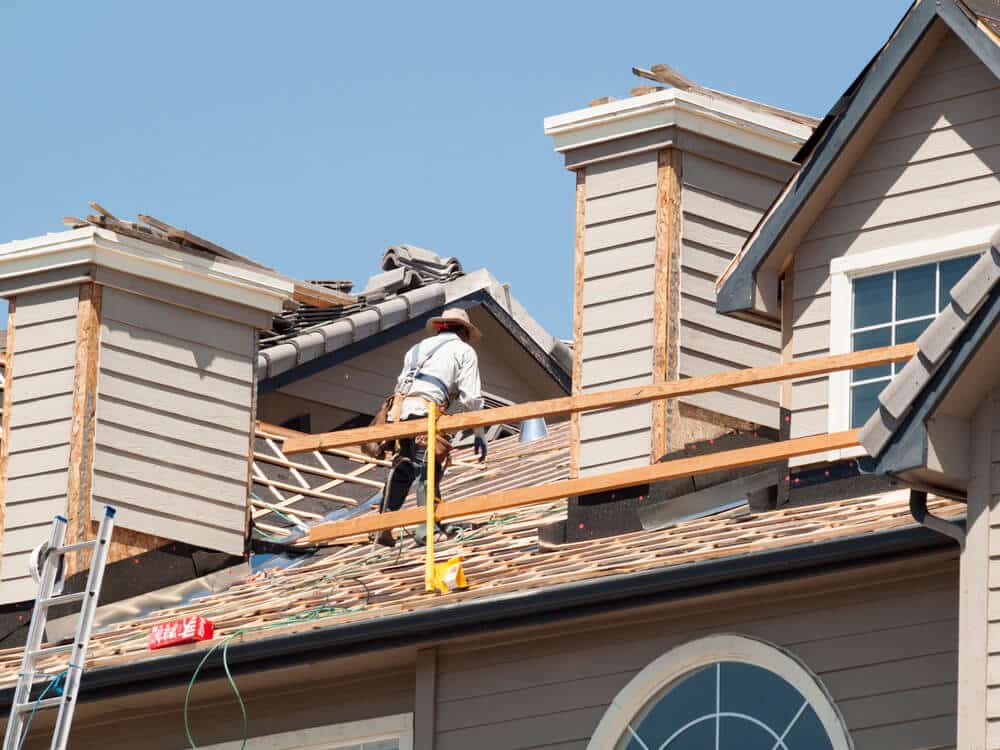
Professional Installation
- Ensure your roof’s installation is done by us. Proper installation is crucial for a roof to withstand harsh weather. Follow manufacturer guidelines to avoid future problems.
- A professionally installed roof offers peace of mind. It’s less likely to suffer damage during storms.
Protective Features
- Adding features like storm shutters enhances protection. Roof coatings and sealants also offer extra layers of defense against weather damage.
- These additions can significantly extend your roof’s lifespan. They prevent costly damages from heavy rains and winds.
Gutter Maintenance
- Installing gutter guards is a smart move that saves you hassle in the long run. Gutter guards filter debris while allowing water to flow through seamlessly, reducing the need for cleaning and maintenance.
- Functional gutters are crucial for protecting your home against the elements. Keeping them clean and well-maintained is essential, especially in a city like New Orleans, where weather can change rapidly.
The Damage Nobody Sees
Three things do more cumulative damage to New Orleans roofs than any storm, and all three are invisible from the street.
Humidity in the attic. Warm, moist air with nowhere to go condenses on the underside of the roof deck. The decking gets wet without a single leak, and in this climate it does not dry out.
Sun on the shingle surface. Months of intense sun strip the granules that protect the asphalt underneath. The shingle gets brittle and cracks. It is gradual, and it is why roofs here fall short of their rated life.
Wind that did not seem strong enough to matter. Gusts well below hurricane force break the adhesive seal on shingles. The shingle settles back looking fine. From that point it lets water underneath every time it rains.
None of the three announces itself. All three are found by inspection, which is the argument for having one twice a year rather than after a storm only.
Emergency Preparedness and Response
Knowing the hazards caused by extreme weather—torrential rain, gusty winds, or snowing—enables you to estimate the vulnerabilities in your roofing and implement necessary weatherproofing measures. By staying informed and proactive, you will reduce the blow from bad weather conditions and prevent any potential damage from happening to your house.
Creating a Plan
It’s crucial to develop an emergency plan well before disaster strikes. This involves identifying all potential risks, from water damage to exposure to wildfires. Homeowners should focus on areas needing extra attention, like the roof’s condition and materials’ resistance.
First, outline steps for protection before severe weather hits. This includes securing loose shingles and ensuring the flashing is intact. During a storm, action might be limited, but awareness of the roof’s condition is vital. Afterward, assess any signs of significant damage promptly.
Assembling a Kit
Every household in New Orleans should have an emergency kit tailored for quick roof repairs. This kit could include tarps, nails, a hammer, and sealant. These tools can address immediate issues, preventing further damage until professional help arrives.
Having such a kit underscores the importance of readiness. It enables homeowners to take swift action against the risk factors specific to their area.
Insurance Insights
Understanding your homeowner’s insurance coverage is essential. Not all policies cover every type of storm damage. Homeowners must know what conditions apply and how to file claims effectively.
Keeping warranties and important paperwork accessible is also key. They offer proof of roof condition and materials used, which can expedite claims processing.
Post-Storm Actions
After any storm, conducting a thorough professional roof inspection is necessary. Look for water pooling, damaged flashing, or missing shingles. These are indicators of areas that need attention.
Hiring us for your roofing needs ensures that all issues are properly addressed. We can spot problems that untrained eyes might miss, offering peace of mind and preventing future headaches.
Get Ahead of the Season
A May inspection costs nothing and it is the difference between a small repair in spring and an emergency call in September.
New Orleans, Metairie, Kenner, Slidell, Covington, Mandeville, Gretna, Harahan, LaPlace, River Ridge, St. Rose, Madisonville, Hammond and Baton Rouge. Louisiana Residential License #890459. Commercial License #3667.
Call (504) 226-7070.
New Orleans Roof Weather FAQs
What weather damages New Orleans roofs the most?
Hurricanes cause the most dramatic damage. Humidity and sun cause the most cumulative damage, and they operate every year rather than occasionally.
When is hurricane season in New Orleans?
June 1 through November 30, with the peak months typically falling in late summer and early fall.
How do I protect my roof before hurricane season?
Get inspected in May, clear the gutters properly, trim overhanging oak limbs, and fix any loose flashing or lifted shingles before June.
Do hard freezes damage roofs in New Orleans?
They can, precisely because they are uncommon here. Roofs and pipes in this region are not built around freeze cycles, so a hard freeze finds anything already cracked or loose. Check for new leaks after one rather than assuming the roof handled it.
How can humidity damage my roof if it never leaks?
Warm moist air rises into the attic and condenses on the cooler underside of the roof deck. The decking gets wet with no leak involved at all, and in this climate it does not dry out. That is rot from the inside, and it is invisible from the street.