On this page
Repair or replace is the question every homeowner asks, and in New Orleans the honest answer depends on three things that do not apply everywhere: how old the roof already is in a climate that ages roofs fast, whether a named storm caused the damage, and what your insurance policy will actually pay.
Here is how to work through it.
Table of Contents
-
- Key Takeaways
- Key Factors for Your Decision
- a. Roof Age
- b. Damage Extent
- c. Material Type
- d. Future Plans
- e. Local Climate
- When to Repair
- Isolated Damage
- Budget Constraints
- Young Roof
- When to Replace
- Widespread Wear
- Structural Concerns
- System Upgrade
- Let Our Expert Help You Decide For a Better Outcome
Repairs work great for instances where the roof appears to be facing a localized issue, such as a small leak or a few missing shingles, whereas replacement is suitable for roofs that are older or newer with extensive damage. Various considerations are weighed against the appropriate decision; they may include cost, duration of the roof, and worth of the property.
Understanding these distinctions can help you make an informed decision. Let us see what makes sense for you. For further assistance, contact us at TurnKey Roofer so we can evaluate whether you need replacement or repair.
Key Takeaways
- Consider the age of your roof to see if repairs or replacement will be more economical. If you have an older roof that is reaching the end of its lifespan, a complete replacement is usually most advantageous.
- Evaluate the extent of roof damage. Isolated issues like small leaks or missing shingles can typically be repaired, while widespread or structural damage may require replacement.
- Consider the roofing material. Certain materials, such as premium shingles or metal, can sometimes warrant repairs, whereas some materials with severe wear should be replaced entirely.
- Match your decision to your plans for the home. If you’re selling, a new roof can increase value. Long-term homeowners will discover repairs to be more cost-effective for prolonging the life of their roof.
- Take your local climate into account. Wet or storm-prone regions could compromise your roof at a faster rate, making replacement more feasible for sustained resilience.
- Address structural issues now. Sagging or water infiltration typically means it is time for a replacement to keep your home safe and sound.
The Age Question Is Different Here
Roofs in New Orleans do not reach the number on the packaging. Sustained humidity, a long hot season and annual storm exposure age materials faster than a manufacturer’s testing assumes.
That changes the repair-or-replace math in two ways.
Repairing an old roof buys less time than you expect. A patch on a roof that is already weathered here does not deliver the years it might elsewhere.
Insurance treats age harshly. Many Louisiana policies shift older roofs from Replacement Cost Value to Actual Cash Value, which means depreciation comes off the payout. On an older roof that can leave very little. Check your declarations page before you decide anything, because it may make replacement the better financial move even when repair is technically possible.
Key Factors for Your Decision
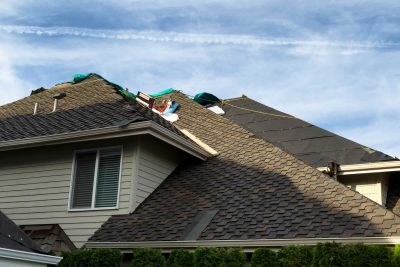
The factors listed below are essential for consideration when choosing between roof repair and roof replacement. In these factors lies the guarantee of having investments made along with your long-term advantages, budget, and the condition of your roof.
1. Roof Age
The age of a roof is important. Most materials, such as asphalt shingles, will last for 10–15 years. In contrast, metal or slate roofs will outlast them. If the roof is aging beyond its expected lifespan, it may make more sense to replace it than to continually make repairs, especially if the issue is still under warranty.
2. Damage Extent
One must map out the extent of damage carefully. Minor issues, such as a few missing shingles, are good candidates for repair; however, major storm damage or structural problems will warrant replacement.
3. Material Type
Different roofing materials directly influence your repair-or-replace decision. Metal roofs are generally much more sturdy and, therefore, energy efficient to repair, while asphalt shingles might buckle at the slightest provocation.
4. Future Plans
If you plan to sell soon, a new roof can boost curb appeal and home value. If you plan to stay long-term, timely repairs can extend your roof’s life and delay replacement costs.
5. Local Climate
If in an area susceptible to heavy rain or hurricanes, durable roofs are key. Occasional small damages might justify repairs, while prolonged exposure under severe weather conditions might demand a new roof.
When to Repair
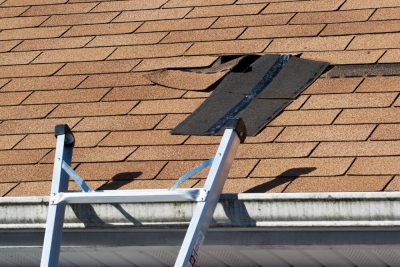
The sooner you know it, the better for your roof repair-desiring property, depending very much on the extent of the damage with respect to age and thin budget. Repairs are usually chosen if problems are localized, the budget does not permit replacement, or considerable life remains with the roof.
Isolated Damage
Minor isolated damage, such as some leaks or a few missing shingles, is a good candidate for repair. Even the slightest leaks could lead to mold or structural problems when left unattended.
Budget Constraints
If a complete replacement of the roof is financially impossible, a roof repair is an option. Making repairs of urgent issues, such as leaks, is another way to provide a secure home without undergoing the full cost of a house roof replacement. Repair the parts that need immediate attention, but look for possible financing options for the big issues. Repairs can buy time while replacement remains on the table.
Young Roof
Any repair work, if the roof is 20 years or younger and in fair condition, usually costs less than the full replacement. For example, fixing a small leak on a 10-year-old asphalt roof won’t deplete it from the market. Since a lot of routine maintenance clears debris and watches for loose shingles, it helps uphold a newer roof in good condition and prevents small problems from developing into major ones.
Repair, Replace, and How Storm Damage Changes It
Repair is usually right when: the damage is in one area, the rest of the roof is sound and not near end of life, the decking underneath is dry, and there is no insurance claim complicating it.
Replace is usually right when: damage appears in several places, the roof is already well into its life in this climate, the decking is wet or soft, you are patching for the second or third time, or you have wind-lifted shingles across a whole slope rather than in one spot.
When a named storm is involved, get the inspection and the claim assessment before you commit to either. A repair that you pay for yourself may turn out to have been a covered replacement. Once the roof is patched, proving what the storm did gets much harder.
A local note on partial replacement. Replacing one slope can leave you with visibly mismatched roofing and two different ages of material. On homes in historic districts that may also raise a review question. Ask before agreeing to it.
When to Replace
When to replace your roof depends on its condition, age, and the type of damage. Repairing an object may often be worse than replacing it when a lot is at stake in terms of safety and performance, and the repairs would cost a considerable amount.
Widespread Wear
When there is excessive shingle loss, indicated by missing, cracked, or curling shingles, then the roof will most likely need replacement. Erosion during granules means shingles are losing effectiveness. Widespread damage across the roof usually indicates that repairs may not suffice.
Harsh climates, such as heavy rains or high winds, can accentuate such wear on materials like asphalt, curtailing the roof’s life of 10 to 20 years. Replacing the whole roof ensures that there are no vulnerable areas.
Structural Concern
In a case of sagging, leaks, or water infiltration, structural damage becomes a potential reason for roof replacement. Such problems can jeopardize the home’s integrity, leading to mold or even failure of the structure itself.
System Upgrade
The energy-efficient materials put into use, i.e., metal or elastomeric coatings, during a roof replacement will serve to lower energy costs and environmental impact. Furthermore, a new roof enhances curb appeal, an aspect you may wish to market later on.
Modern materials deliver improved performance and protection against leaks as well as severe weather conditions. Updating your roof automatically means incorporating sophisticated features to withstand ever-increasing challenges moving into the future.
Not Sure Which You Need?
We will tell you honestly. If a repair does the job, we will say so. Most replacements we do are finished within 24 hours of payment.
New Orleans, Metairie, Kenner, Slidell, Covington, Mandeville, Gretna, Harahan, LaPlace, River Ridge, St. Rose, Madisonville, Hammond and Baton Rouge. Louisiana Residential License #890459. Commercial License #3667.
Call (504) 226-7070 for a free assessment.
Repair or Replace: New Orleans FAQs
How long does a roof last in New Orleans?
Expect less than the manufacturer’s stated lifespan. Humidity, heat and storms shorten it, and ventilation quality makes a large difference.
Will insurance pay for a full replacement after a hurricane?
It depends on the extent of the damage, your named-storm deductible, and whether your policy pays replacement cost or actual cash value. Get the roof inspected and documented before you decide.
Can I replace just one slope of my roof?
Sometimes, but you will see the difference, and you will have two ages of roofing on one house. It is worth discussing before choosing it on price alone.
What does a roof replacement cost in New Orleans?
It comes down to square footage, pitch, material, how much decking needs replacing, and whether flashing and ventilation are being brought up to standard. Get the roof inspected first, because the decking is the line item that moves a price most in this climate.
Can I put a new roof over the old one?
Sometimes it is permitted, and it is usually a false economy here. Layering over hides whatever is happening to the decking underneath, and in this humidity that is exactly where the problem is. It also adds weight and shortens the life of the new layer.