On this page
Rain in a New Orleans storm does not fall down. It comes in sideways, driven by wind, and it tests parts of a roof that ordinary rain never touches.
That single fact explains most of the leaks in this city. A roof that sheds vertical rain perfectly can leak badly in a tropical storm, because the water is arriving at the flashing and the vents from the side and, sometimes, from below.
Table of Contents
- Key Takeaways
- When to Seal Your Roof
- Telltale Signs
- Sealing vs. Replacing
- Ideal Timing
- Choose the Right Sealant
- By Roof Material
- By Climate Zone
- By Application Type
- How to Seal Your Roof
- a. Safety First
- b. Thorough Cleaning
- c. Surface Preparation
- d. Precise Application
- e. Curing and Inspection
- DIY or Professional Help?
- The DIY Route
- Calling a Pro
- Keep Your Home Protected
A properly sealed roof keeps water out of the building and prevents expensive repairs. A roof, like yours, has vulnerable points, like flashing, seams, and vents, that need to be sealed with a high-quality sealant made for your roof type. Regular maintenance not only protects your home but also helps you avoid bigger problems down the line. A little attention today can save you a lot of stress tomorrow. TurnKey Roofer will walk you through every step of the sealing process, so you can feel confident your roof is built to last.
Let’s keep your home dry, sturdy, and worry-free. Contact us today to schedule your inspection. We’re here to help you seal your roof with care and peace of mind.
Key Takeaways
- Conducting weekly roof inspections will enable you to identify possible leaks or damage that would result in repair costs that are out of your budget.
- You can search for evidence of the signs that suggest your roof will need to be sealed: noticeable water spots, missing shingles, cracks in flashing, or along ridge caps.
- Sealing is mostly a less expensive option for minor leaks and cracks.
- Be sure to seal your roof when it is dry, not in extremely warm weather, not too cold, and not raining, so it will stick and harden properly.
- Use a sealant that is suitable for the kind of roof you own and for the weather in order to achieve the optimum protection and performance.
- In order to be able to safely and successfully seal your roof, wear the right safety gear, prepare and clean your roof in the correct manner, and then apply and then dry as indicated by the manufacturer’s guidelines.
Where Gulf Coast Roofs Actually Leak
Flashing, first and by a distance. Chimneys, roof-to-wall joints, valleys and skylights. Sideways rain gets behind flashing that was fine for years.
Vent boots. The rubber collar around a plumbing vent pipe. Sun and heat degrade rubber, and this climate has plenty of both. A cracked boot is a cheap part and a very common leak.
The roof edge and eaves. Wind uplift lifts the first course of shingles and pushes water back under them. Raised homes in Lakeview and Gentilly see more of this because of the added wind exposure.
Around anything mounted on the roof. Satellite dishes, solar attachments, mechanical equipment. Every fastener is a hole.
Low-slope additions. Many older New Orleans homes have a flat or low-slope section added at the back. Water sits on these instead of running off, and sitting water finds every weakness.
Choose the Right Sealant
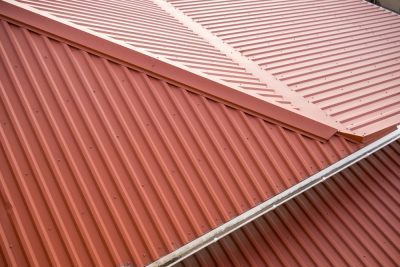
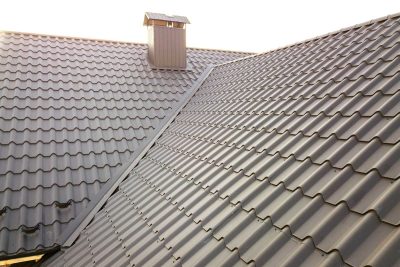
Selecting the correct roof sealant determines if you have leaks or are protected long-term. The right sealant can be simulated by the roof material, and can be acrylic, silicone, polyurethane, or other sealant types- based on the climate and condensing conditions, as well as application procedures and expectations.
-
By Roof Material
Your roof material will determine what kind of sealant will stick best and provide dependable protection. Below is a breakdown of compatible options:
| Roof Material | Recommended Sealants | Features and Advantages |
| Metal | SEBS, Polyurethane, Hybrid Sealants | Flexible, handles expansion/contraction, durable in harsh weather |
| Asphalt Shingles | Elastomeric Coatings | High flexibility, UV resistance, and extends lifespan |
| Flat Roofs | Acrylic Sealants | Creates a waterproof barrier, easy to apply |
| Tile, Foam, Cement | Silicone or Polyurethane | Excellent adhesion, waterproof, withstands structural movement |
-
By Climate Zone
Climate is a major player in sealant success. Sealants such as silicone with a temperature range of -40°F to 200°F are able to survive the most extreme climatic conditions. Following is a table of recommendations by climate:
| Climate | Sealant Type | Benefits |
| Rainy/Snowy Regions | Waterproof Sealant | Permanent waterproofing resists standing water |
| Hot Climates | Reflective Coatings | Reduces heat absorption, improves energy efficiency |
| Variable Temperatures | Flexible Sealants | Prevents splitting, handles structural movement |
-
By Application Type
Sealants are not all made alike. Each type is better for specific jobs and various skill levels. Brush-on sealants allow you to pinpoint cracks. Spray-on varieties coat big areas rapidly. Tape sealants, while temporary, are easy-to-use emergency patches.
When Sealant Is the Wrong Answer
Sealant is a repair for a specific, small, identified gap. It is not a treatment for a roof.
In this climate sealant applied over a large area fails predictably. Sun degrades it, humidity works underneath it, and the annual heat cycle opens it up again. Worse, a sealed-over problem keeps leaking quietly into decking that is now covered and cannot be inspected.
If someone offers to “seal the roof” as a solution to multiple leaks, get a second opinion. Multiple leaks usually means failed flashing or a roof at the end of its service life, and neither is solved with a tube.
How to Seal Your Roof
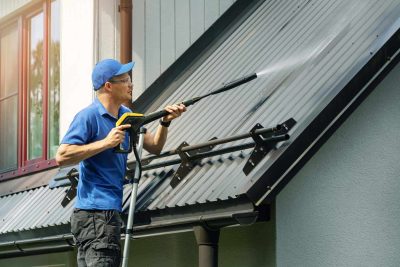
Having a sealed roof is important in preventing leaks, extending the life expectancy of the roof, and for structural stability. It takes planning, attention to detail in the materials, and maybe even some flair.
1. Safety First
Working on a roof is dangerous. You are always to use a quality ladder and have on some type of safety harness whenever engaging in any form of roofing work to avoid falls. When carrying out repairs to the roof, non-slip boots should be worn at all times, and any other protective gear, such as gloves and goggles.
2. Thorough Cleaning
Blow away leaves, dirt, and loose debris with a broom or a blower. Remove moss, algae, or mold using a roof brush with soft bristles that can be washed away. Wash off after scrubbing with water, then ensure the area dries fully before continuing.
3. Surface Preparation
Before sealing, you may find it convenient to pre-treat any pre-existing surface area that has already developed some damage, either in the form of cracks or lost shingles. You may also want to inspect the roof flashing, ridge cap pieces, and joints in the surface area. Sanding any rough patches will allow the sealant to adhere properly, and you may want to mask off any things you don’t want sealed.
4. Precise Application
Choose a sealant that suits your weather and type of roof. Rubbers and silicones are ideal for waterproofing, while polyurethane is suitable for application in a location that may get frequent rain. Sealants must be even and smooth over the entire roof surface using a brush, roller, or sprayer.
5. Curing and Inspection
Cure the sealant according to the manufacturer’s specifications; for most, this indicates at least 24 hours. Once the sealant has set, check any missed or uneven sections. Spray some water onto to test the seal, and apply again if necessary. Proper curing is critical if you want the leak barriers to last.
Find the Leak, Not Just the Stain
Water travels along decking before it drops through a ceiling. Where it appears inside is often nowhere near where it got in. We find the actual entry point.
New Orleans, Metairie, Kenner, Slidell, Covington, Mandeville, Gretna, Harahan, LaPlace, River Ridge, St. Rose, Madisonville, Hammond and Baton Rouge. Louisiana Residential License #890459. Commercial License #3667.
Call (504) 226-7070.
Roof Sealing FAQs for New Orleans Homes
Why does my roof only leak in storms and not in normal rain?
Because storm rain arrives sideways. It reaches flashing, vents and the roof edge that vertical rain never tests. It is one of the most common patterns in New Orleans.
How long does roof sealant last in this climate?
Less than the packaging suggests. Sun and humidity here shorten the life of any exposed sealant, which is why it belongs on small identified gaps rather than broad areas.
Can I seal a leak myself before the storm?
As a temporary measure on a small, reachable, dry spot, sometimes. Do not go onto a wet roof, and treat it as buying time until someone can look properly.
What sealant should be used on a New Orleans roof?
That depends on what is being sealed and what it is made of. The material matters less than matching it to the substrate and applying it to a clean, dry surface. A sealant applied over damp decking in this humidity will fail regardless of quality.
My roof was sealed last year and it still leaks. Why?
Usually because the sealant was applied to the symptom rather than the source. Water travels along decking before it drops through a ceiling, so the entry point is often nowhere near the stain. It can also mean the roof needs a repair that sealant cannot make.