On this page
- Key Takeaways
- The Split That Catches People Out
- Why Your Roof Is More Important in a Flood Zone
- Key Roofing Considerations for Flood Zones
- Systemically Integrating Your Roof
- What Raised Homes Do to a Roof
- Preventive Roof Maintenance
- Roofing Built for Where You Actually Live
- Flood Zone Roofing FAQs for New Orleans
Large parts of the New Orleans metro sit at or below sea level. That fact shapes almost everything about the housing stock here, from raised foundations to where the mechanical equipment lives.
It shapes the roof too, in ways that are not obvious. A flood zone home is not at greater risk of a roof leak because of the flood zone. It is at greater risk because of everything that comes with it: sustained humidity, homes raised into the wind, and an insurance structure where the thing that pays for water damage is not the thing that pays for roof damage.
Table of Contents
- Key Takeaways
- Why Your Roof is More Important in a Flood Zone
- Key Roofing Considerations for Flood Zones
- a. Material Selection
- b. Structural Design
- c. Roof Pitch
- d. Drainage Capacity
- e. Underlayment and Sealing
- Systematically Integrating Your Roof
- Preventive Roof Maintenance
- Protect Your Home From Water Damage
Flood regions have a few concerns, such as poor weather and flooding. Having metal or waterproof asphalt shingles will reduce damage. Water runoff can be managed through proper roof slope and by regularly cleaning the gutters.
Being familiar with these variables will ensure the roof will be reliable locally and protect your house. Living in a flood area? Call us at TurnKey Roofer today for roof advice that may be able to save your home from water damage before the next storm.
Key Takeaways
- Your roof is likely the most critical element for homes in a flood zone.
- Use materials like metal or concrete tiles, which are stronger and more waterproof than asphalt shingles.
- Have your roofing structure braced for flood loads, high winds, and storm surge.
- If you reside in a floodplain, take a look at your roof’s slope and drainage configuration, such as larger-than-normal gutters and roof vents.
- Use waterproof underlayment, seal roof penetrations, and maintain flashing to flood-proof and prolong the life of your roof.
- Don’t forget the roof – particularly if you reside in a floodplain.
The Split That Catches People Out
Your roof is not covered by flood insurance.
Flood policies, whether NFIP or private, cover water that rises from the ground. Wind damage to a roof is covered by your homeowner policy. One hurricane can trigger both, and they are handled by two different insurers with two different adjusters and two different sets of paperwork.
Homeowners in flood zones sometimes assume that carrying flood cover means storm damage is handled. It does not. If the roof fails and rain comes through the ceiling, that is a homeowner claim, and it depends on the condition of your roof and your named-storm deductible.
This is worth knowing before June.
Why Your Roof Is More Important in a Flood Zone
In a flood area, your roof is more than above-your-head defense. It’s a lifesaver. A storm-resistant roof can return several thousand dollars in repair expenses and maintain the worth of your home for many years.
Sealed decking systems in a roof are especially wonderful, keeping out water by up to 95%. This is particularly vital in areas that experience deluges or storm surges.
Floodwaters can add unanticipated stress to the building structure of your home. Roofs are designed chiefly to withstand wind and rain, and good materials and solid installation are what will prevent your roof from collapsing under hydrostatic pressure.
A flood-proof roof isn’t just about protection; it will ultimately cost you less money. The importance of your roof in a flood area encompasses durable materials, proper upkeep, and proper installation, all of which are factored into this benefit.
Key Roofing Considerations for Flood Zones
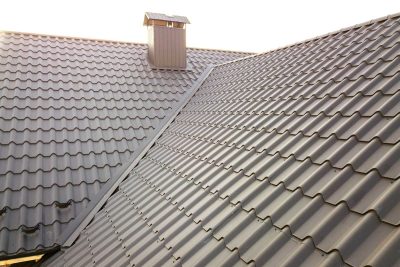
Residences in flood zones have their own unique set of challenges that demand some unique roofing considerations. From material selection to drain design, every step goes towards protecting the building from water damage and weather conditions. Here are important factors to look at.
1. Material Selection
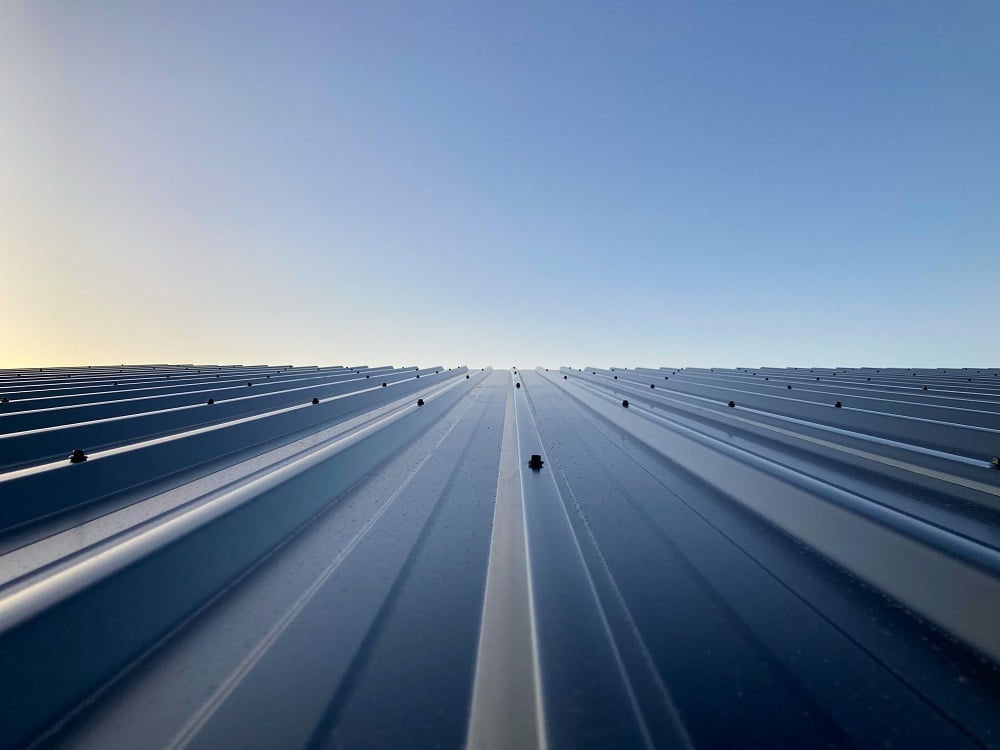
Metal roofs, especially with corrosion-resistant coatings, perform well under chronic moisture. Buckling is avoided and heat expansion accommodated by clips or cleats instead of open fasteners. Interlocking concrete tiles form watertight seals and are durable and resistant, but require appropriate support.
Do not use asphalt shingles except when they are impact and high wind-resistance rated, such as ASTM D3161 Class F or UL 2218 Class 4. TPO or PVC membranes are a suitable choice on flat or low-sloped roofs because they provide a smooth waterproof layer with fewer points of potential water entry.
2. Structural Design
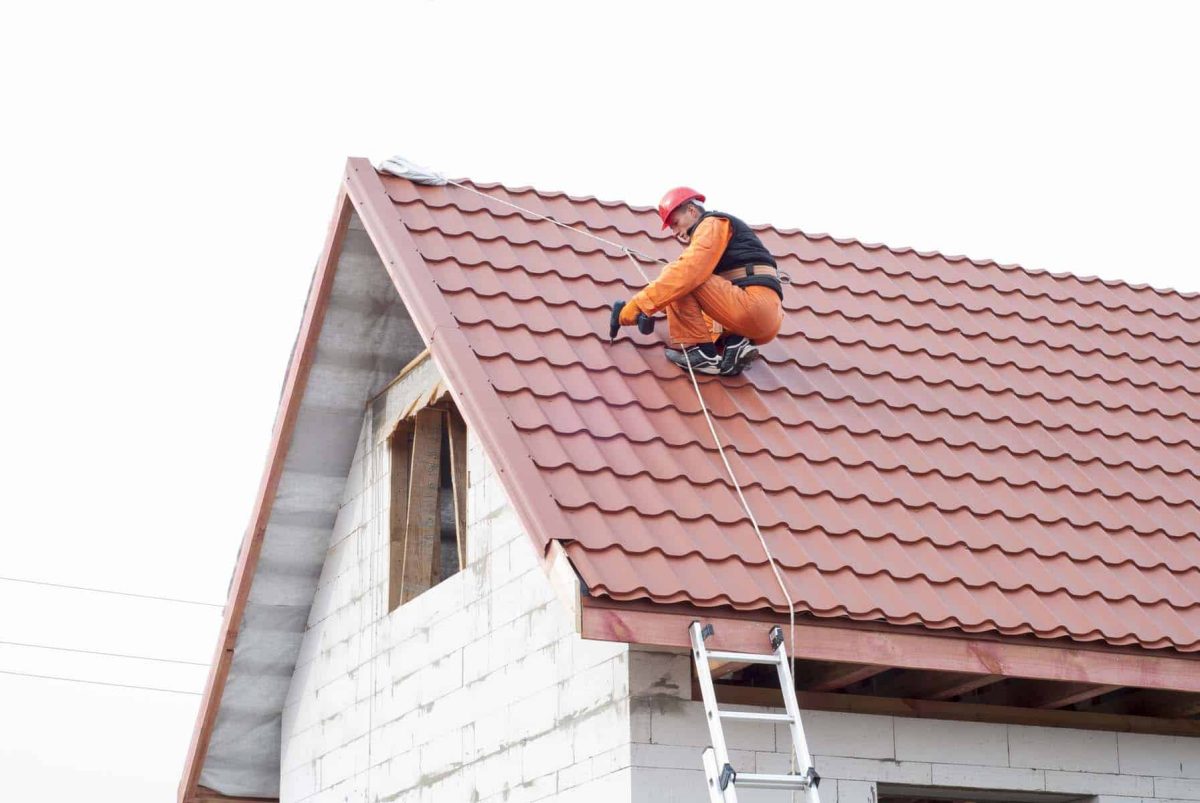
Roof system stiffness is the most important for withstanding flood as well as wind. Hurricane ties and wind clips can be attached to the roof, while storm anchors or double screws in the tiles enhance resistance to movement. Structural calculations should be done before installing heavy materials like concrete tiles.
Material and structural ability compatibility is essential in maintaining long-term integrity. FEMA guidelines recommend wind speeds greater than existing codes in preparation for revised flood maps.
3. Roof Pitch
One of the most direct effects on a roof’s capacity for dealing with water is the slope at which it is pitched. Reasonable pitches will provide runoff, and steep hip roofs are excellent and hurricane-resistant. Flat roofs, though not desirable, can be engineered to work within the existing drain system. Locally accepted floodplain management guidelines should dictate pitch choice. Sizing oversized for more elevation than required gives added protection.
4. Drainage Capacity
Flood areas need rigorous drainage. Huge downspouts and gutters to survive heavy downpours, and roof vents reduce moisture accumulation. Clear debris-free allowances to ensure flow. Proper slope and alignment provide correct drainage functions and eliminate the possibility of pooling.
5. Underlayment and Sealing
Waterproof underlayment is a key safety feature. Seals should be sealed around skylights, vents, and edges to avoid leaks. Protective coating adds strength in long periods of wet weather. Regular inspection finds weaknesses before they become huge catastrophes.
Systemically Integrating Your Roof
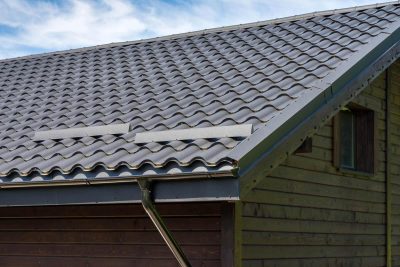
If we are going to be saving homes in flood zones, roofing must be planned within an integrated house flood plan. Your roof is not merely something on top of your house; it’s one component of a piece of property’s water and disaster protection system. When you coordinate its function with other protection systems, homeowners and property managers can really maximize their property’s defense and life.
What Raised Homes Do to a Roof
Much of the housing stock in Lakeview, Gentilly and along the river is raised, either originally or after post-Katrina elevation work. Raising a house helps with water. It does not help the roof.
More exposure to wind. A raised roofline catches more of the wind, and the pressure at the eaves and roof edge goes up. Fastening at the perimeter matters more on a raised home than on a slab-on-grade one, and it is where failures start.
Longer drying times underneath. Elevated homes with enclosed underfloor space hold humidity. Combined with the ambient humidity here, that means the whole structure spends more of the year damp, and roof decking that gets wet takes longer to dry out.
Ventilation carries more load. In a climate this humid, attic ventilation is doing real work year round, not just in summer. On a raised home in a flood zone it is the main thing standing between a small leak and rotted decking.
Equipment on the roof. Some elevated homes put mechanical equipment up out of flood reach. Every penetration is a place water can get in, and they need checking on a schedule.
Preventive Roof Maintenance
Good roof upkeep is a preventive homeowners and property owners in flood-prone regions. Taking care of your roof before the heavy rains not only avoids the destruction caused by heavy rains. It safeguards the integrity of your house or building. Overlooking this may lead to costly repairs, water damage, as well as breached security. Check out these tasks to accomplish.
Roofing Built for Where You Actually Live
We roof homes across the New Orleans metro, including elevated homes and homes in flood zones. We know what the wind does at a raised eave and what the humidity does underneath.
New Orleans, Metairie, Kenner, Slidell, Covington, Mandeville, Gretna, Harahan, LaPlace, River Ridge, St. Rose, Madisonville, Hammond and Baton Rouge. Louisiana Residential License #890459. Commercial License #3667.
Call (504) 226-7070 for a free estimate.
Flood Zone Roofing FAQs for New Orleans
Does flood insurance cover roof damage in New Orleans?
No. Flood cover handles water rising from the ground. Roof damage from wind or hail falls under your homeowner policy.
Does being in a flood zone raise my roofing cost?
Not directly. What raises it is the wind exposure and humidity that come with the same geography, which push you toward better fastening, better ventilation and materials that handle constant moisture.
What roofing works best for a raised home in a flood zone?
The priority is edge and perimeter fastening plus real attic ventilation. Material matters less than how well it is attached and how well the space underneath breathes.
Do I need an elevation certificate for roofing work?
Not for the roof itself. An elevation certificate deals with the height of the structure relative to the flood plain and matters for flood insurance. Roofing work is permitted separately. Ask your contractor which permits your parish requires before work starts.
Will a new roof lower my flood insurance?
No. Flood premiums are driven by elevation and flood zone, not by the roof. A new roof can affect your homeowner premium, which is the separate policy that covers wind and hail. The two are priced by different things.