On this page
- What Makes Metal a Strong Choice in Hurricane Country
- Why the Fastening Matters More Than the Metal
- Corrosion Is the Real Long-Term Risk
- Which Metal Fits Which Home
- What Homeowners on the North Shore Should Know
- Keeping a Metal Roof in Good Shape
- Talk Through Your Metal Roof Options
- Metal Roof Questions From New Orleans Homeowners
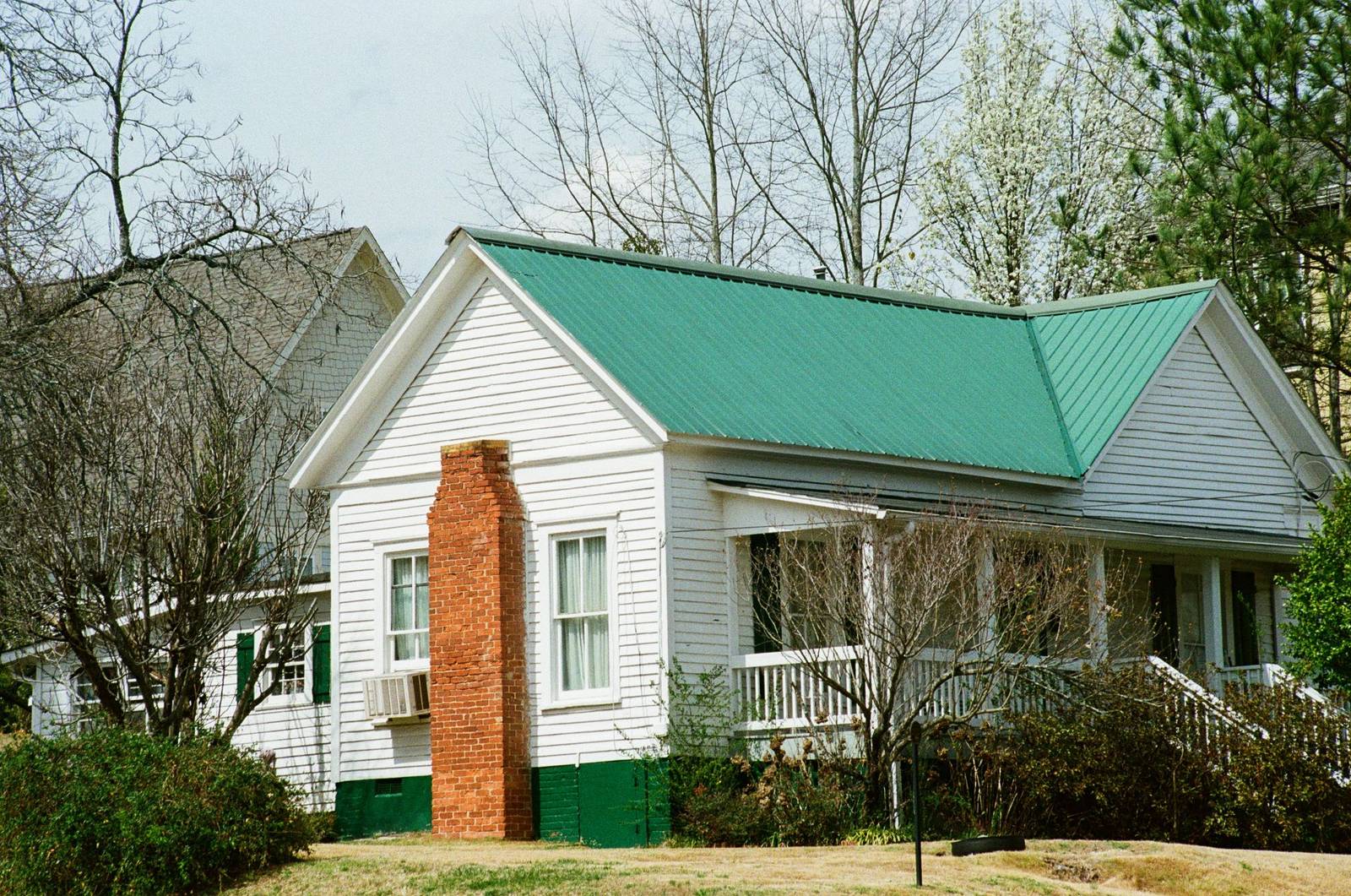
Metal has a reputation as the storm roof, and in Southeast Louisiana that reputation gets tested every hurricane season. Whether it earns its place on your house depends less on the word “metal” and more on which metal, how it is fastened and how well the details around it are finished. Here is what a homeowner should understand before choosing one.
The short version: a metal roof can handle New Orleans wind and rain very well, but corrosion and attachment are the two things that decide how long it lasts. The metal roofing options TurnKey Roofer installs range from galvanized steel to copper, and each one answers those two questions a little differently.
What Makes Metal a Strong Choice in Hurricane Country
A metal roof is made of large panels rather than many small pieces, so there are fewer edges for wind to catch. When those panels are clipped and fastened correctly, the roof works as a connected surface rather than a field of separate pieces.
Metal also sheds water quickly, which matters in a city that can see a heavy downpour on any afternoon. And it reflects a good share of summer heat away from the attic, a benefit you notice in August more than in any spec sheet.
Why the Fastening Matters More Than the Metal
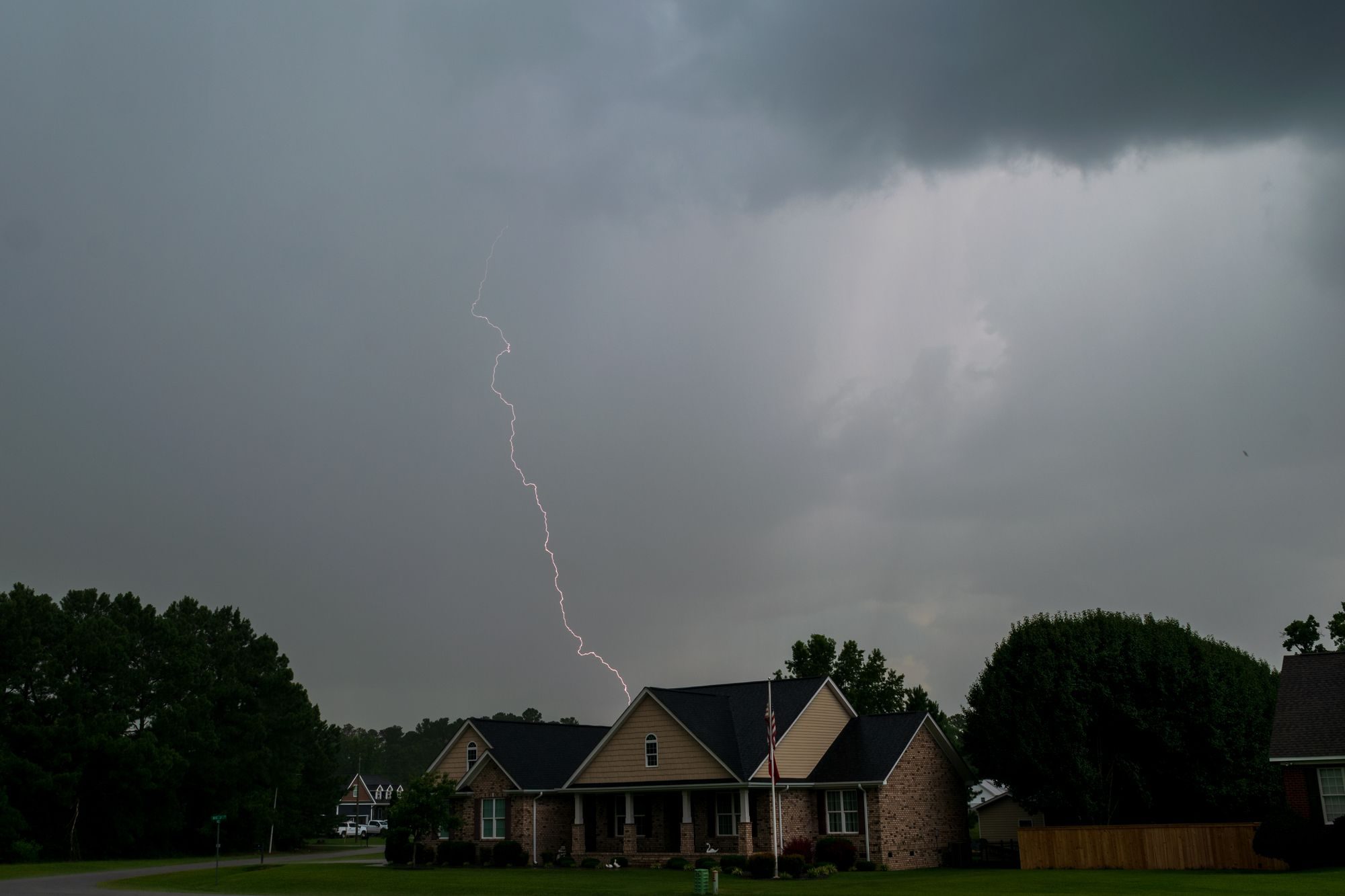
Wind does not push evenly on a roof. FEMA’s coastal construction guidance notes that uplift is greatest at the corners, followed by the perimeter, and then the middle of the roof. That is where a poorly attached roof fails first, and it is where a careful crew spends extra time.
Before you sign anything, ask three questions about attachment.
How Are the Panels Held Down at the Edges?
Corners and eaves need closer fastening than the middle of the roof. If the answer is the same pattern everywhere, keep asking.
What Sits Under the Panels?
Underlayment is the second line of defense when wind-driven rain gets past the metal. We covered the trade-offs in our look at which roof underlayment holds up best to humidity and storms, and the same logic applies under metal.
How Are Vents, Chimneys and Walls Flashed?
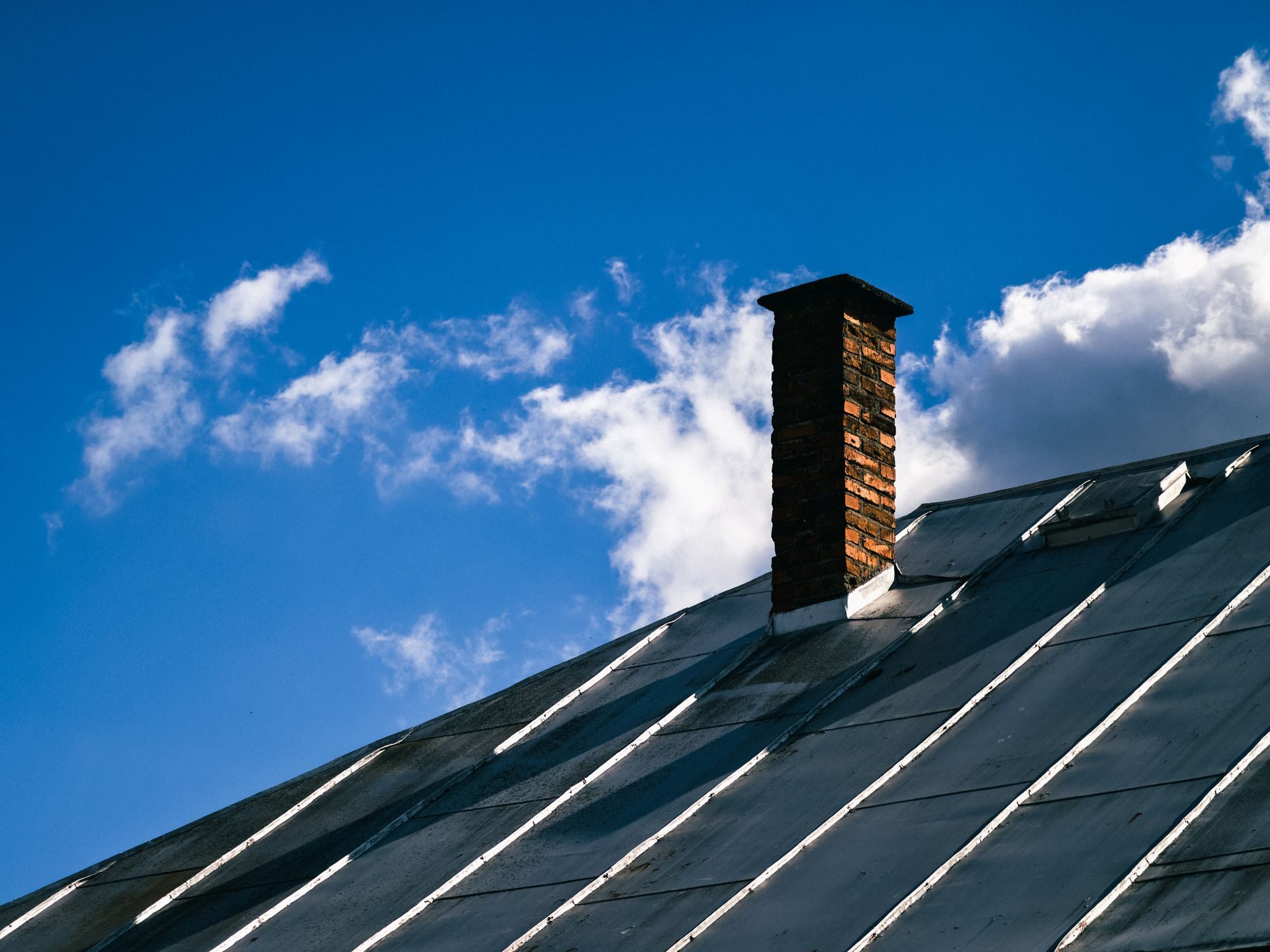
Every penetration is a seam the wind and rain will test. Flashing around chimneys, pipes and roof-to-wall joints should be detailed for the metal you choose, not borrowed from a shingle job.
Corrosion Is the Real Long-Term Risk
Salt air and constant moisture are hard on metal. FEMA’s guidance on coastal building materials says metal corrosion is most pronounced on homes close to the ocean, while moisture- and termite-related decay are common throughout coastal areas. That second part is a fair description of most of our service area.
The same guidance makes a point worth repeating: do not accept a product just because it is labeled corrosion-resistant. Every material corrodes to some degree. What matters is the metal, its coating, where it is used and whether it gets basic maintenance.
Two practical rules follow from that. Avoid joining dissimilar metals, especially copper and steel, a pairing FEMA singles out. And match fasteners to the panels, since a rusted screw can loosen a perfectly good panel.
Which Metal Fits Which Home
Each metal brings its own strengths and limits. Here is how the four main options compare for a New Orleans house.
Galvanized Steel
Steel coated with zinc for resistance to weather and insects. It is a practical choice, though it does not last as long as some other metals, so the coating and upkeep matter.
Aluminum
Lightweight and durable, and it comes in a wide range of colors and styles. Its light weight makes it worth a look on older framing that should not carry extra load.
Copper
Copper resists fire damage and corrosion and stands out on any roofline. Because of the dissimilar-metal problem above, it needs to stay isolated from steel parts.
Composite
Composite panels are made to look like slate, tile or stone. They need less maintenance, which suits owners who want the look of a traditional roof with less upkeep.
What Homeowners on the North Shore Should Know
In Slidell, which sits on the northeastern shore of Lake Pontchartrain in St. Tammany Parish, the lake, the bayous and the humidity all add moisture to the air around a roof. That makes coating quality and fastener choice even more important than the color you pick.
After a big storm, walk the yard and look up rather than climbing a ladder. Loose panels, lifted edges or bent trim are signs to call for an inspection, and our guide on checking your roof for storm damage after a hurricane walks through what to look for from the ground.