Talk to an Expert (504) 226-7070
Talk to an Expert (504) 226-7070

Handle emergency roof repairs after a storm by prioritizing safety, documenting damage with photos for insurance, and mitigating interior water damage. Cover damaged areas with tarps if safe, call a licensed professional immediately, and keep all receipts. Never climb on a roof during or immediately after a storm.
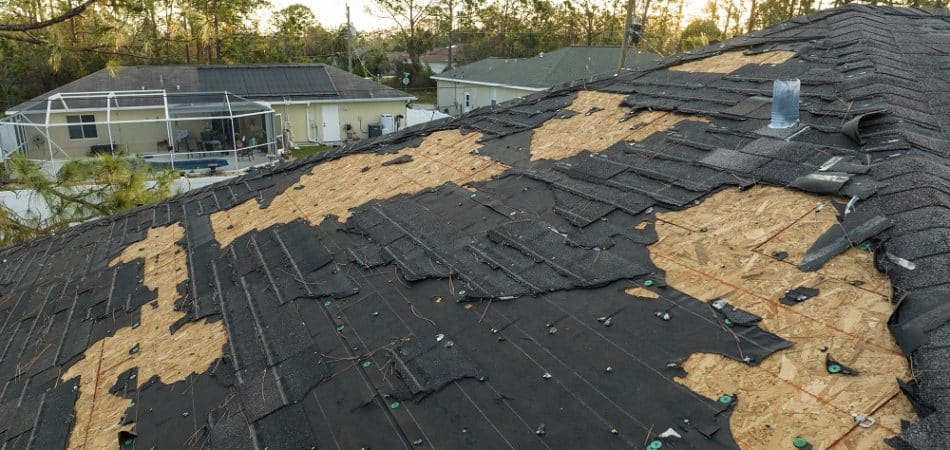
Severe storms expose every weakness in a roofing system within minutes. High winds cause wind uplift that strips shingles from the roof deck, hail fractures underlayment, and falling debris punches through the surface and allows water infiltration into your home’s structure. According to NOAA’s National Weather Service Storm Prediction Center, the U.S. recorded 5,373 hail events in 2024 alone.
According to Verisk’s 2025 US Roofing Realities Trend Report, nationwide roofing repair and replacement costs reached nearly $31 billion that year, a 30% increase from 2022. How you respond in the first few hours after storm damage determines whether you face a targeted repair or a full structural restoration.
When post-storm roof damage threatens your home, TurnKey Roofer serves New Orleans and surrounding communities with licensed, certified roofing professionals who respond fast and provide free storm damage assessments.
Call us at (504) 226-7070 today before water intrusion spreads further.
After a storm passes, conduct a ground-level inspection before touching anything. Look for missing or lifted shingles, granule accumulation in gutters, failed flashing around chimneys and roof penetrations, and water stains on interior ceilings.
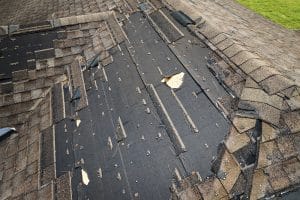 Walk the full perimeter of your property in daylight once conditions are safe. Never access a compromised roof surface. Use binoculars to examine roof valleys, ridges, and eave edges, since those transition zones sustain the heaviest wind uplift and hail impact stress.
Inside, check the attic decking and ceiling planes for water staining, saturated insulation, or visible daylight through the roof deck. Mold colonization can begin within 24 to 48 hours of uncontrolled moisture intrusion, making early detection a structural priority.
For hail damage roof repair, look for impact bruising on asphalt shingles, cracked clay or concrete tiles, and dented metal flashing or vent collars. Excessive granule loss in gutters signals that hail stripped the mineral surface layer from your shingles, reducing their remaining service life significantly.
Homeowners can safely apply a heavy-duty polyethylene tarp over exposed roof sections from the ground or a stable extension ladder, but walking on a storm-damaged roof surface is a serious safety hazard. Fasten the tarp with weighted 2×4 lumber boards, never roofing nails, which puncture the underlayment and create new water entry points.
Emergency roof tarping costs between $200 and $800 for most residential properties, depending on the area of exposed roof deck. This temporary dry-in method provides structural protection for 30 to 90 days while a licensed roofing contractor completes a full damage assessment and schedules permanent repairs.
Walking across a tarped roof section after storm damage is dangerous. Hidden deterioration of the roof decking beneath creates a fall-through risk not visible from the surface. A post-storm roof inspection by a certified roofing professional should always follow temporary weatherproofing to document structural damage and produce written evidence for your insurance adjuster.
The priority sequence for post-storm roof repair is: confirm personal safety, document all visible damage with timestamped photos and video, apply a temporary tarp to stop water infiltration, contact a licensed roofing contractor for a storm damage assessment, and report the damage to your insurance carrier as soon as possible. Each step directly protects your property and claim outcome.
Work through this sequence as quickly as conditions allow:
 Stay indoors until the storm has fully passed.
Responding the same day significantly lowers total repair scope. A minor shingle displacement can escalate into a compromised roof deck within 48 hours without intervention. If active leaking, sagging, or visible roof deck exposure is present, contact emergency roof repair services immediately.
File your storm damage claim as soon as possible after discovering the damage. Document everything with photos before any repair work begins, save receipts for all temporary weatherproofing, and get a contractor inspection before the adjuster arrives.
Most standard policies allow 30 days to one year to file, but earlier reporting always produces stronger outcomes. Be present during the adjuster visit and walk them through every damaged component, including gutters, flashing, soffit boards, and interior moisture evidence.
The roof insurance claim process is where most homeowners lose settlement value. A contractor experienced in insurance restoration documents damage in the field language adjusters require, and that directly determines your payout.
Contact a licensed roofing contractor immediately when your roof shows active water infiltration, displaced shingles, sagging sections, exposed roof deck, or any indication of structural compromise. Delaying post-storm roof repair accelerates rot progression, mold colonization, and interior damage that multiplies total restoration costs.
 Partial Replacement Costs: Partial roof replacements addressing 25% to 75% of the surface run between $3,000 and $8,000, depending on roofing material and affected sections.
Fast response after a storm preserves your roof’s structural integrity, limits total repair costs, and keeps your insurance claim well-documented. Identifying damage early, applying temporary weatherproofing where safe, and engaging a licensed contractor from the first inspection gives you the most direct path to full roof restoration.
TurnKey Roofer is a licensed and certified roofing company serving New Orleans and surrounding Louisiana communities with residential and commercial storm damage repair, emergency response, and full insurance claim documentation support.
Contact us today to schedule your free storm damage inspection and get your roof secured before the next weather event arrives.
Most standard homeowner’s insurance policies allow 30 days to one year from the date of loss to file a storm damage claim, but requirements vary by insurer and state. Report the damage to your carrier as soon as possible after discovering it. Earlier documentation consistently produces stronger claim outcomes and reduces the risk of a carrier attributing damage to pre-existing wear. Always verify your policy’s specific notice requirements.
Temporary tarping can be applied in light rain to halt active water infiltration and protect the roof deck from additional moisture damage. Permanent repairs require dry surface conditions because shingle adhesion, flashing sealant, and roofing cement all cure improperly on wet substrates, voiding manufacturer material warranties.
A properly installed heavy-duty polyethylene roof tarp provides weatherproofing for 30 to 90 days depending on UV exposure, wind loading, and installation quality. It is a temporary protective measure, not a permanent repair. Permanent restoration should be scheduled as soon as a licensed contractor completes a full damage assessment.
Storm damage confined to less than 25% of the roof surface with intact structural components is typically resolved through targeted repairs. Roofing systems over 15 to 20 years old, or those with damage across more than 75% of the surface, are better suited for full replacement than extensive patching.
Most standard homeowner’s insurance policies cover sudden wind and hail damage to residential roofing systems, subject to applicable deductibles. Carriers may dispute claims when pre-existing deterioration is present. A licensed contractor’s written inspection report attributing damage to the storm event significantly strengthens the claim and reduces denial risk.
Do not attempt to remove the fallen tree yourself. If structural compromise is visible, evacuate the affected area immediately. Contact your homeowner’s insurance carrier to open a claim, then call a licensed roofing contractor for emergency stabilization and debris removal before additional precipitation causes further roof deck damage.
 By Admin
  Mar 30, 2026
 0 Comment