On this page
- Homeowner’s Insurance and Roof Damage
- How to File a Roof Insurance Claim After Storm Damage
- Documenting Roof Damage for Your Claim
- When to Seek Legal Help
- What Louisiana Homeowners Need to Know About Roof Claims
- What Actually Damages Roofs on the Gulf Coast
- Filing a Roof Claim in New Orleans? Talk to Us First
- Roof Insurance Claim FAQs for New Orleans
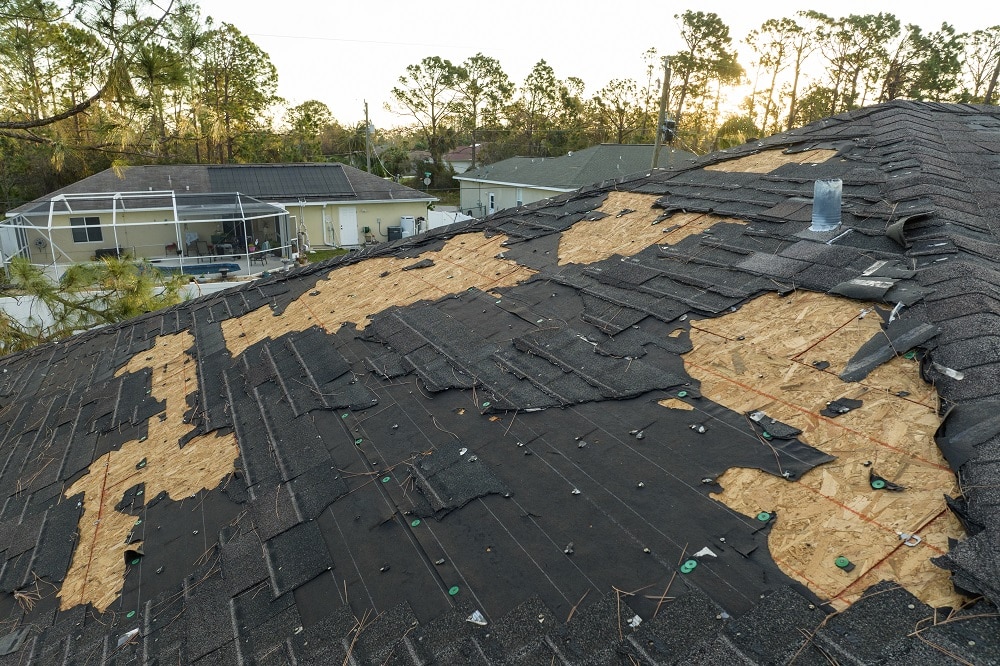
The storm passes, the wind drops, and you walk outside to look at your roof. Shingles in the yard. A dark patch near the ridge. Maybe a stain spreading across a bedroom ceiling by morning.
In New Orleans this is a seasonal reality, not a rare event. Hurricane season runs June 1 through November 30, and every year homeowners across Orleans and Jefferson Parish go through the same process. The roof gets hit, the insurer gets called, and the outcome depends almost entirely on what you do in the first few days. This guide walks the claim from the first photograph to the final payment.
Homeowner’s Insurance and Roof Damage
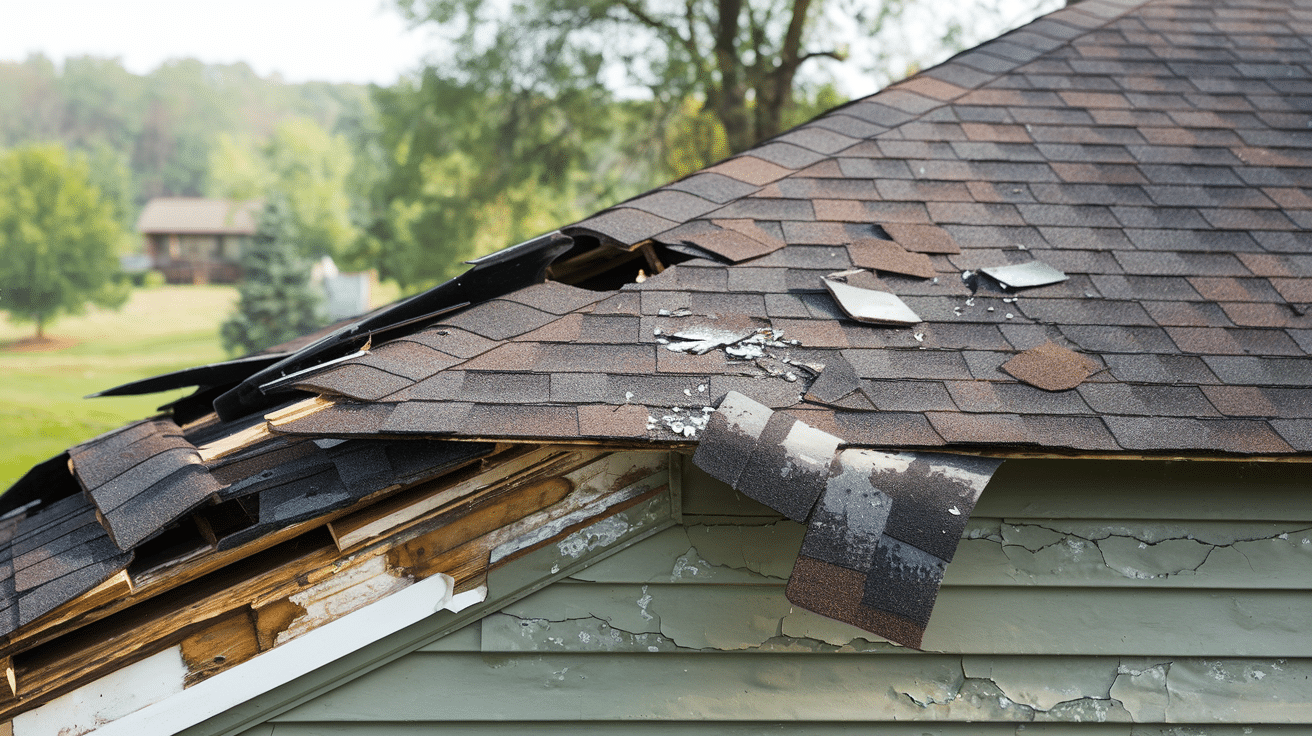
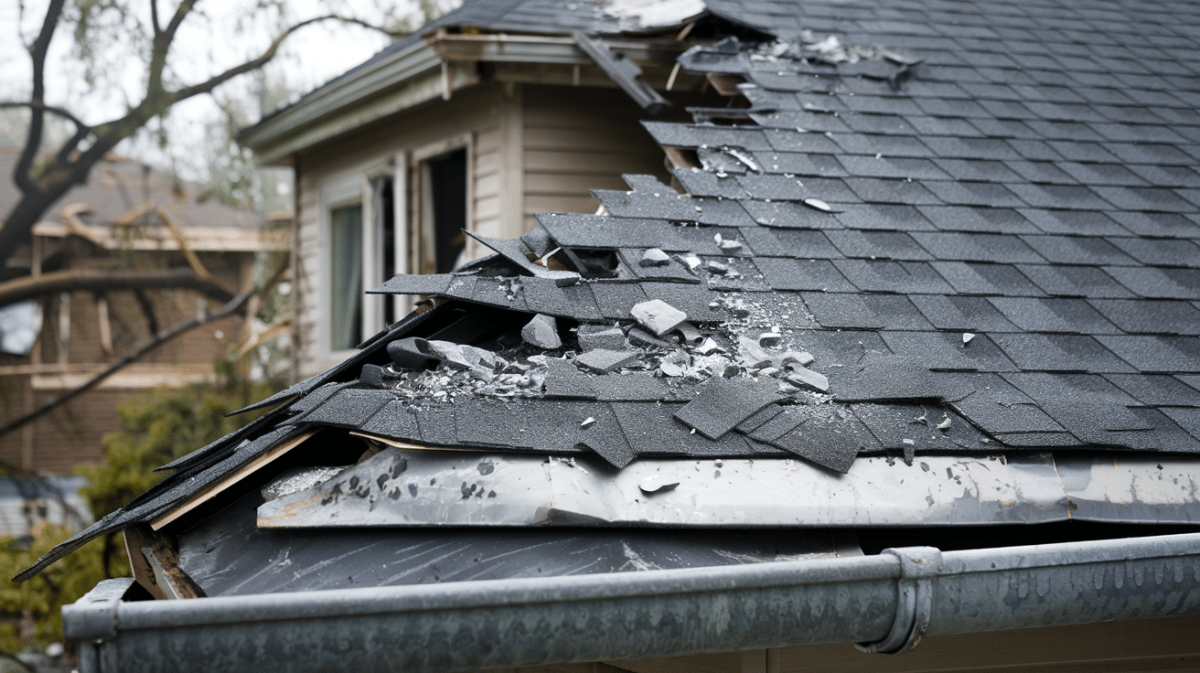
Storm damage leaves homeowners with unexpected repair costs, but learning the insurance dance makes such repairs much easier.
-
What Insurance Generally Covers
Most homeowners’ insurance provides coverage for wind, hail, and severe weather damages, with average payouts right now on wind and hail claims being about $13,000; however, superficial damages, such as dented shingles, may not be approved, while all structural damage will be. The new roof damage should be documented and reported as quickly as possible for coverage.
-
Deductibles for Wind and Hail
Homeowners have to pay up to the deductible amount before insurance coverage kicks in. Special hurricane deductibles also apply to areas with hurricane-prone regions, and maybe a set amount or percentage of the insured value of the home. Knowing your deductible will help assess whether the filing will be worthwhile.
-
Actual Cash Value vs. Replacement Cost
Insurance will pay on an actual cash value (ACV) basis or will pay the full cost of replacement. ACV deducts for depreciation, meaning that older roofs get smaller payouts, whereas replacement cost policies will pay for the entire amount needed for the restoration.
-
How Roof Age Affects Coverage
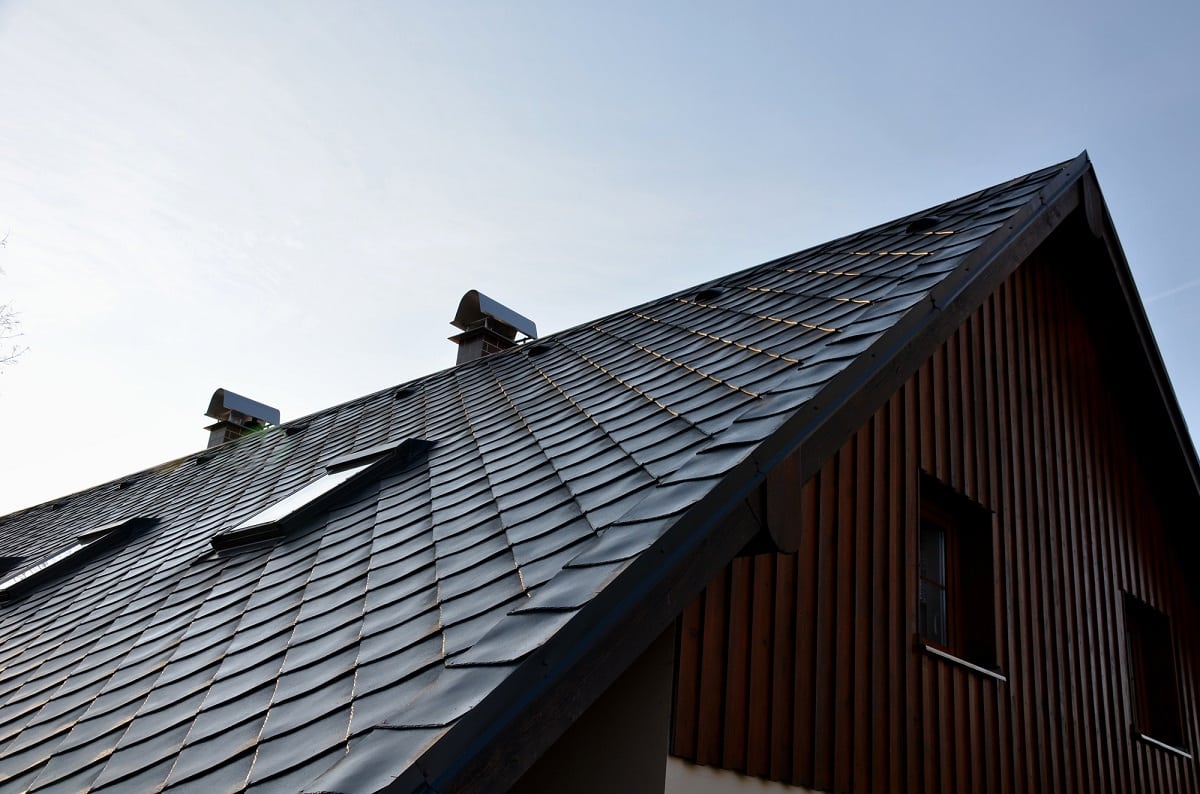
Roofs over 20 years old may provide limited coverage or more exorbitant premiums, so maintenance becomes even more important. Furthermore, roofs like Fortified roofs would be under IBHS-recommended roofing systems and may qualify for a discount on homeowners’ insurance.
How to File a Roof Insurance Claim After Storm Damage
Filing a roof insurance claim after storm damage can feel overwhelming, but it’s manageable with the right steps.
1. Right After a Storm- Immediate Steps
Move fast and take pictures of the damage. Make sure to be safe while checking for missing shingles, dents, or leaks. If the area looks safe, place waterproof tarps on the open spots to avert further damage, and save all receipts for these temporary repairs, since most of the time, those costs get reimbursed.
2. Damage Documentation All the Way
Check that storm damage is covered by your homeowner’s insurance policy as well as deductibles.
Take clear pictures and videos from different angles to document the damage, especially concerning problem areas such as cracked shingles and water stains. When the insurance adjuster comes, present them with all your documentation, and let them know how this has affected your roof and what kind of storm was involved.
3. Role of a Public Adjuster
In case of any conflict, this public adjuster will fight for you. They will fight exclusively for you, not your insurance company, and will usually have more experience negotiating large settlements for claims.
4. Bring an Expert Roof Inspection man
Have professional roof inspections so you can know whatever hidden issues that might be there and so that roof maintenance can be done before very costly issues develop.
Documenting Roof Damage for Your Claim
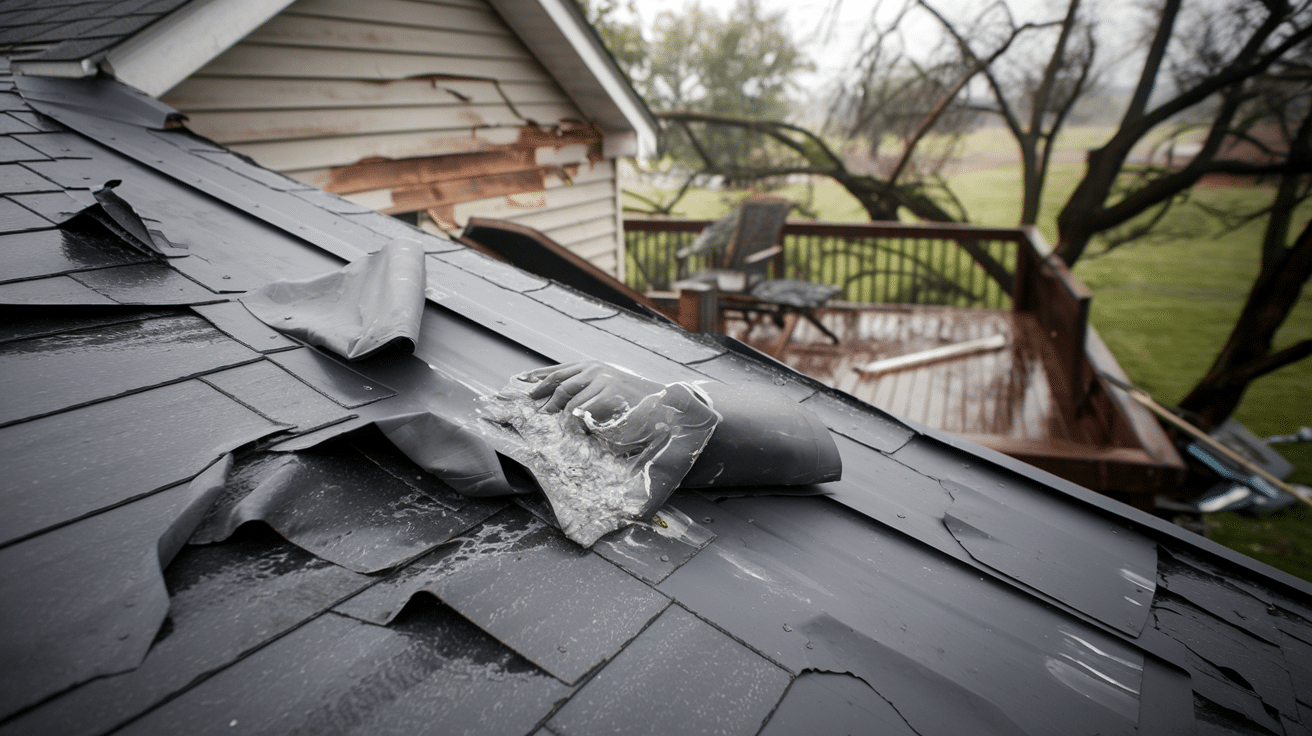
The notion of negligence or the pretext of pre-existing damage will typically be a deceptive line of reasoning for denial by insurance companies. For example, Roofs almost generally need constant maintenance, and such neglect might be spun by an insurance company as “damage from wear and tear instead of damage from a storm.”
Thus, damage to the roof that occurs during a storm should be perfectly documented and timestamped with photographic and videographic evidence taken immediately. Zoom in on the shingles, flashing, or whatever other areas were most affected, the closer the better, if you wish to strengthen the claim.
As a result, it is wise for all policyholders to understand their coverage specifics since some policies exclude certain damages. For example, cosmetic hail harms metal roofs; this will assist them in preparing for the worst-case scenario.
How to Reverse the Denial
Whereas your insurance claim was denied, appealing involves collecting the necessary evidence and filing a formal appeal. A relatively unbiased eye-ideally from a qualified roofing pro, who will know your state’s insurance laws-can help you counter the insurer’s findings.
Evidence needs to be gathered to pursue a claim after denial; Insurance Claim Recovery Support professionals can assist you in preparing your documents for the appeal process. It is good practice to keep a record of every communication made between you and your insurer, including e-mails and notes on phone calls.
When to Seek Legal Help
Law skills come in handy when it comes to ensuring justice, which means it is not uncommon for a person to need legal help due to disagreements. For instance, sometimes it may be prudent to hire an attorney who deals with this field exclusively if you feel all proper documentation has been maintained, and yet have the feeling the problem of an insurance denial is baseless.
What Louisiana Homeowners Need to Know About Roof Claims
Most Louisiana homeowner policies cover roof damage from wind and hail. What varies is how much you get back, and what you pay before the insurer pays anything.
Replacement Cost Value versus Actual Cash Value
An RCV policy pays what a new roof costs today. An ACV policy subtracts depreciation for the age of the roof, which on a twenty year old roof can be most of the value. Many carriers shift older roofs onto ACV automatically. Check your declarations page and find out which one you hold before a storm, not after.
The named-storm deductible is the one that surprises people
Gulf Coast policies commonly carry a separate deductible for named storms, and it is usually a percentage of your dwelling coverage rather than a flat dollar amount. On a home insured for $300,000, a two percent named-storm deductible is $6,000 before the insurer contributes anything. Your ordinary deductible does not apply once a storm has a name.
Wind and hail sit with your homeowner policy. Flooding does not.
This catches people out every year in this city. If wind lifted the roof and rain came through the opening, that is a homeowner claim. If water rose from the ground, that is flood, and it needs a separate NFIP or private flood policy. One storm can cause both, and they are settled by two different insurers.
If your carrier is Louisiana Citizens Property Insurance Corporation, the state insurer of last resort, the process is the same but the timelines can run longer. Document everything and keep copies.
What Actually Damages Roofs on the Gulf Coast
Adjusters in this region see the same patterns year after year, and knowing them helps you point at the right evidence.
Wind uplift does most of the work. Gusts get under a shingle edge, break the seal, and lift. The shingle may drop back into place looking untouched, but the seal is gone and the next rain runs underneath it. This is the damage homeowners miss and adjusters look for.
Wind-driven rain is the New Orleans specialty. Rain here does not fall straight down in a storm. It arrives sideways, and it finds flashing, valleys and vent boots that a vertical downpour would never test.
Debris impact. Live oak limbs across Uptown, the Garden District and Broadmoor come down in high wind. A limb strike leaves a clear, datable mark that supports a claim.
Heat and humidity between storms. Roofs here age faster than roofs in dry climates. Insurers know this, and it is the ground on which they argue “wear and tear” instead of “storm damage”. A dated inspection report from before the storm is the strongest answer to that argument.
Filing a Roof Claim in New Orleans? Talk to Us First
We meet your adjuster on the roof and document what gets missed. Wind-lifted shingles that dropped back flat. Flashing that failed. The difference between storm damage and the “wear and tear” a carrier would rather call it.
We can also walk you through the full claims process, handle the repair itself, and cover the result with our 15-year unlimited wind warranty.
We work New Orleans, Metairie, Kenner, Slidell, Covington, Mandeville, Gretna, Harahan, LaPlace, River Ridge, St. Rose, Madisonville, Hammond and Baton Rouge. Louisiana Residential License #890459. Commercial License #3667.
Call (504) 226-7070 for a free roof inspection, or contact our team online.
Roof Insurance Claim FAQs for New Orleans
Does my New Orleans homeowner policy cover hurricane roof damage?
Wind and hail damage is generally covered, but a named storm usually triggers a separate percentage deductible instead of your standard one. Water that rises from the ground is flood, and that needs a separate policy.
How soon should I file after a storm in New Orleans?
Start documenting the same day it is safe to do so, and notify your insurer promptly. After a major storm, adjusters across Orleans, Jefferson and St. Tammany parishes are booked solid within days, so an early claim gets an earlier inspection.
Should I use the contractor my insurance company recommends?
You choose your own contractor in Louisiana. Ask for the state license number and check it. TurnKey Roofer holds Louisiana Residential License #890459 and Commercial License #3667.
My roof is over 15 years old. Does that change my claim?
Often yes. Many Louisiana carriers move older roofs from replacement cost onto actual cash value, which takes depreciation off the payout. Check your declarations page for which one applies before a storm, because it changes what a full replacement will actually cost you out of pocket.
Can I still file if I already had the roof repaired?
You can, but it is much harder. Once the damage is covered up, the adjuster cannot see what happened. If you had to make an emergency repair to stop water coming in, keep every photograph, invoice and receipt from before and during the work.