

Talk to an Expert (504) 226-7070
Talk to an Expert (504) 226-7070

Installing an energy-efficient roof in New Orleans drastically reduces cooling costs and enhances home comfort by reflecting intense, tropical sunlight and reducing heat absorption. These roofs lower energy bills, decrease HVAC strain, extend roof lifespan, and can increase property resale value while reducing the urban heat island effect.
New Orleans summers are no joke. With temperatures that regularly push past 95 degrees and humidity that makes every degree feel worse, your home’s ability to stay cool depends heavily on what sits above your head. An energy-efficient roof lowers monthly energy costs, extends the life of your roofing materials, and keeps your home more comfortable year-round.
Ready to upgrade to an energy-efficient roof? TurnKey Roofer offers free estimates and expert guidance to help New Orleans homeowners make the most of every roofing upgrade.
Contact us today to get started!
An energy-efficient roof, also called a “cool roof,” is a roofing system designed to reflect sunlight, reduce heat absorption, and limit heat transfer into your living space. According to the U.S. Department of Energy, a cool roof stays more than 50 degrees Fahrenheit cooler than a conventional roof on a hot afternoon, directly reducing how hard your AC works and how much you pay each month.

The two key performance factors are solar reflectance, which measures how much sunlight bounces off the surface instead of being absorbed, and thermal emittance, which measures how quickly the roof sheds any heat it does absorb. The Cool Roof Rating Council (CRRC) rates roofing products on both values independently.
Together, they combine into the Solar Reflectance Index (SRI), which building codes like California’s Title 24 use as a single compliance metric. The higher the SRI, the cooler and more energy-efficient the roof.
An energy-efficient roof can reduce peak cooling demand by 10 to 15 percent and lower cooling costs by 7 to 15 percent, according to the U.S. Environmental Protection Agency and the Cool Roof Rating Council. For a Louisiana home where air conditioning runs almost year-round, those savings are immediate and consistent.
The hot, humid New Orleans climate makes every degree of heat gain costly. Here is where those savings show up most:
A quality roof replacement paired with energy-efficient materials can deliver noticeable savings from the very first billing cycle.
The most energy-efficient roofing materials for New Orleans homes are metal roofing, cool-rated asphalt shingles, clay or concrete tile, and elastomeric roof coatings. Each option reflects more sunlight than standard materials and performs well in the Gulf Coast’s hot, humid climate. Choosing the right one depends on your budget, roof structure, and heat reduction goals.
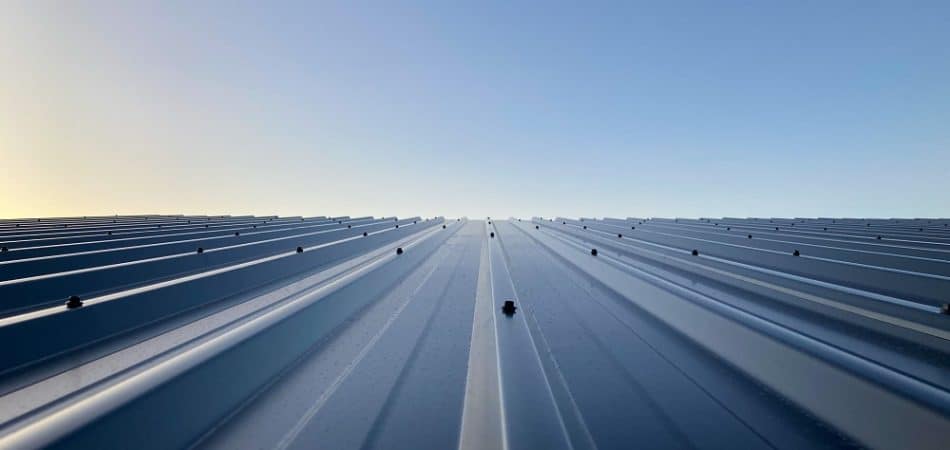
Metal roofing has low thermal mass, meaning it does not store heat the way asphalt does. With a reflective coating and a strong CRRC performance rating, metal roofing reflects a large portion of solar energy away from the home. Metal roofs last 40 to 70 years, making them a strong long-term investment for New Orleans homeowners.

Cool-rated asphalt shingles use specially coated granules that improve solar reflectance without changing the shingle’s appearance. They are a budget-friendly option. Look for products listed in the CRRC Rated Products Directory to confirm verified solar reflectance and thermal emittance values.
Clay and concrete tile naturally allow airflow between the tiles and roof deck, providing passive cooling benefits. These materials carry impressive lifespans and are especially well-suited to the Gulf Coast climate and New Orleans architectural styles.
Elastomeric coatings are ideal for commercial flat roofs in hot, humid climates. CRRC-certified coatings can often be applied directly over an existing roof surface without a full replacement, making them a cost-effective upgrade option.
Yes. Roof insulation and ventilation are two of the most important components of any energy-efficient roofing system. A reflective roofing material alone cannot reach its full potential without proper support underneath. Together, insulation and ventilation control heat transfer from both directions and are essential for maximizing energy savings in New Orleans.
Proper roof insulation creates a thermal barrier between your attic and living space, slowing heat transfer regardless of outdoor temperature. The R-value measures insulation resistance, and higher R-values mean better protection, especially during Louisiana summers when attic temperatures can spike dramatically.
Roof ventilation allows hot air to escape the attic before it radiates downward into your home. Ridge vents, soffit vents, and attic fans work together to maintain airflow and prevent attic temperatures from spiking. Without proper ventilation, even the best reflective shingles cannot stop heat buildup from reaching your living areas.
Insulation slows heat from entering. Ventilation removes heat that builds up anyway. Together, they form a complete thermal management system that keeps your home comfortable and your energy bills predictable, while also extending the life of your roofing materials.
An energy-efficient roof protects against New Orleans weather by staying cooler under intense heat, resisting moisture-driven degradation from humidity, and offering stronger wind and impact performance during hurricane season. High-performance roofing materials address all three of these threats simultaneously, making them the right choice for homes across the Gulf Coast.
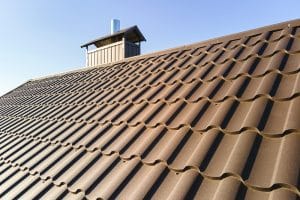 Standard dark roofing can reach surface temperatures of 150 degrees Fahrenheit or more on a hot Louisiana afternoon. Energy-efficient materials with high solar reflectance stay dramatically cooler, reducing heat that radiates into your attic and slowing the moisture-driven degradation that New Orleans humidity accelerates over time.
Many high-performance energy-efficient roofing options carry stronger wind ratings and impact resistance than standard materials. A FORTIFIED designation reflects a roof engineered specifically for Gulf Coast wind and storm conditions, so your roof performs better against both everyday weather and named storms.
Lower roof temperatures reduce the expansion and contraction cycle that gradually breaks down shingles, fasteners, and underlayment. A cooler roof ages more slowly, requires fewer repairs, and lasts longer before a roof replacement is needed.
An energy-efficient roof delivers lower energy bills, a longer-lasting roof, improved indoor comfort, and stronger protection against New Orleans heat, humidity, and storms. The right roofing material and installation can make a measurable difference from the very first billing cycle.
TurnKey Roofer is a local, family-owned roofing company serving New Orleans and surrounding communities with expert residential and commercial roofing solutions.
Call us at (504) 226-7070 or contact us online to schedule your free estimate today.
The main benefits of an energy-efficient roof in New Orleans are lower monthly cooling costs, reduced HVAC wear, improved indoor comfort, and stronger protection against heat, humidity, and storms. According to the U.S. EPA, energy-efficient roofing can reduce peak cooling demand by 10 to 15 percent, which is significant in a climate where air conditioning runs year-round.
An energy-efficient roof uses materials with high solar reflectance and thermal emittance to reduce heat absorption. When combined with proper roof insulation and roof ventilation, these systems keep indoor temperatures more stable and reduce the load on your air conditioning system year-round.
The U.S. Environmental Protection Agency and the Cool Roof Rating Council estimate that energy-efficient roofing can reduce peak cooling demand by 10 to 15 percent and lower cooling costs by 7 to 15 percent. In New Orleans, where AC runs nearly every month, those savings compound significantly over time.
Not necessarily. According to the U.S. Department of Energy, cool roofing products usually cost no more than comparable conventional options. Long-term savings on cooling costs and reduced maintenance typically offset any upfront price difference.
The Cool Roof Rating Council is a nonprofit organization that independently measures and certifies the solar reflectance and thermal emittance of roofing products. Checking the CRRC Rated Products Directory is the most reliable way to verify a product’s real-world energy performance before purchasing.
Yes. Metal roofing has low thermal mass, meaning it does not store heat the way asphalt does. With a reflective coating and a strong CRRC rating, metal roofing performs exceptionally well in hot climates and can significantly reduce cooling costs during Louisiana summers.
In many cases, yes. Elastomeric coatings and reflective roof coatings can be applied to eligible existing roofs to improve solar reflectance. Upgrading attic insulation and improving ventilation are also high-impact steps that do not require a full roof replacement.
Yes. Poor ventilation traps hot air in the attic, which raises your home’s interior temperature and forces your air conditioner to work harder. Properly ventilated attics stay cooler, extend the life of roofing materials, and reduce overall energy consumption throughout the year.
 By Admin
  Mar 12, 2026
 0 Comment


